
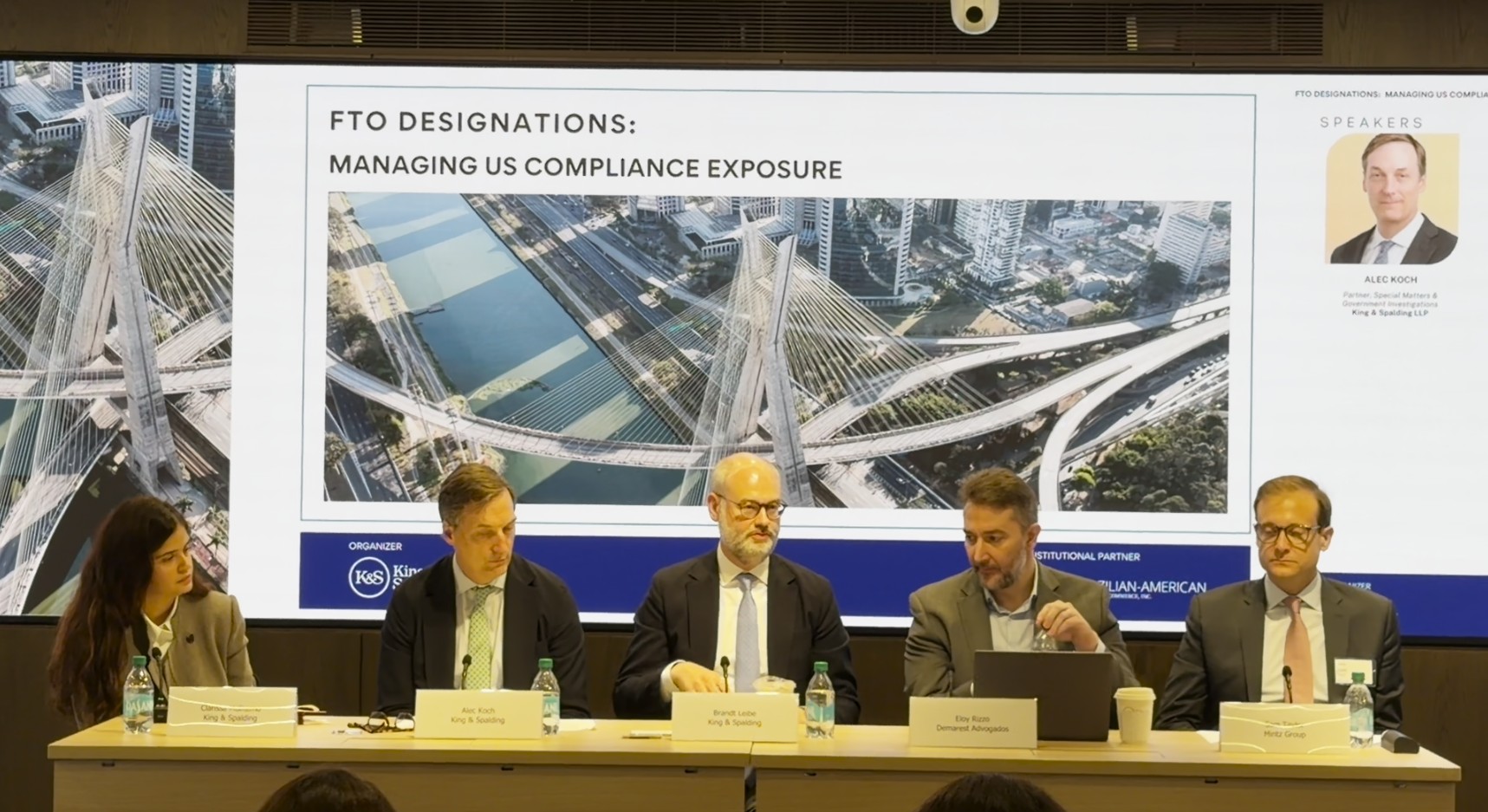
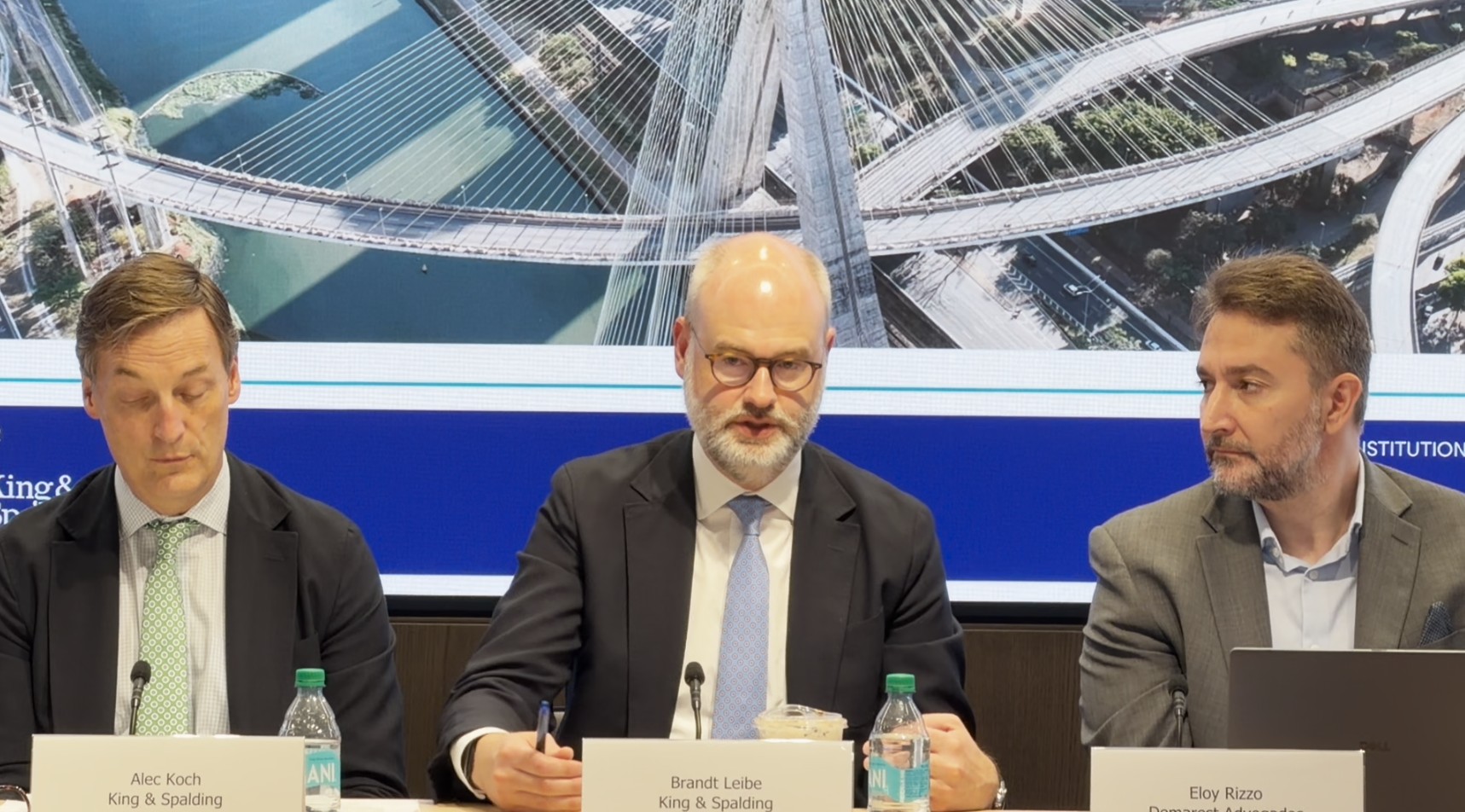
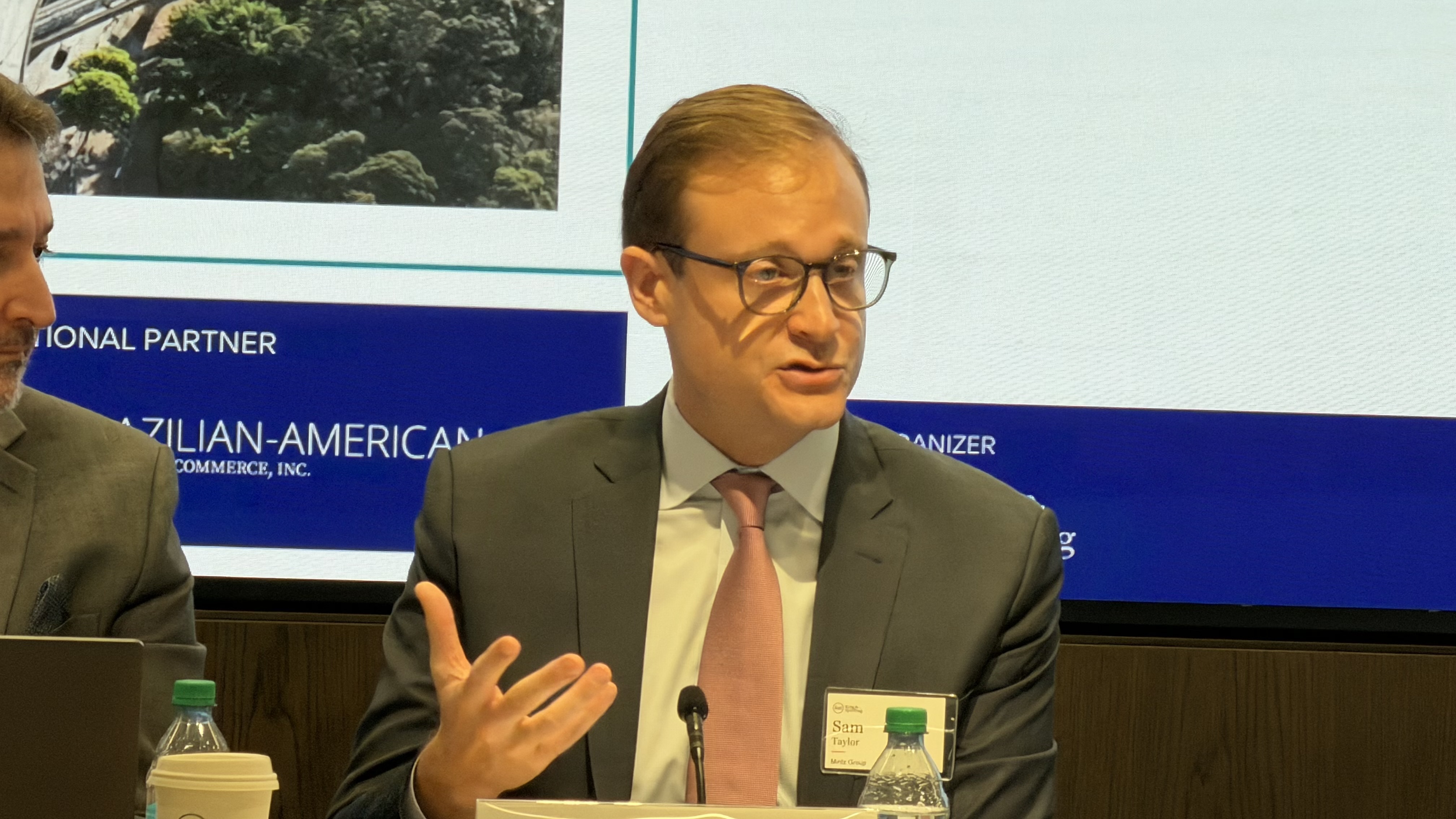
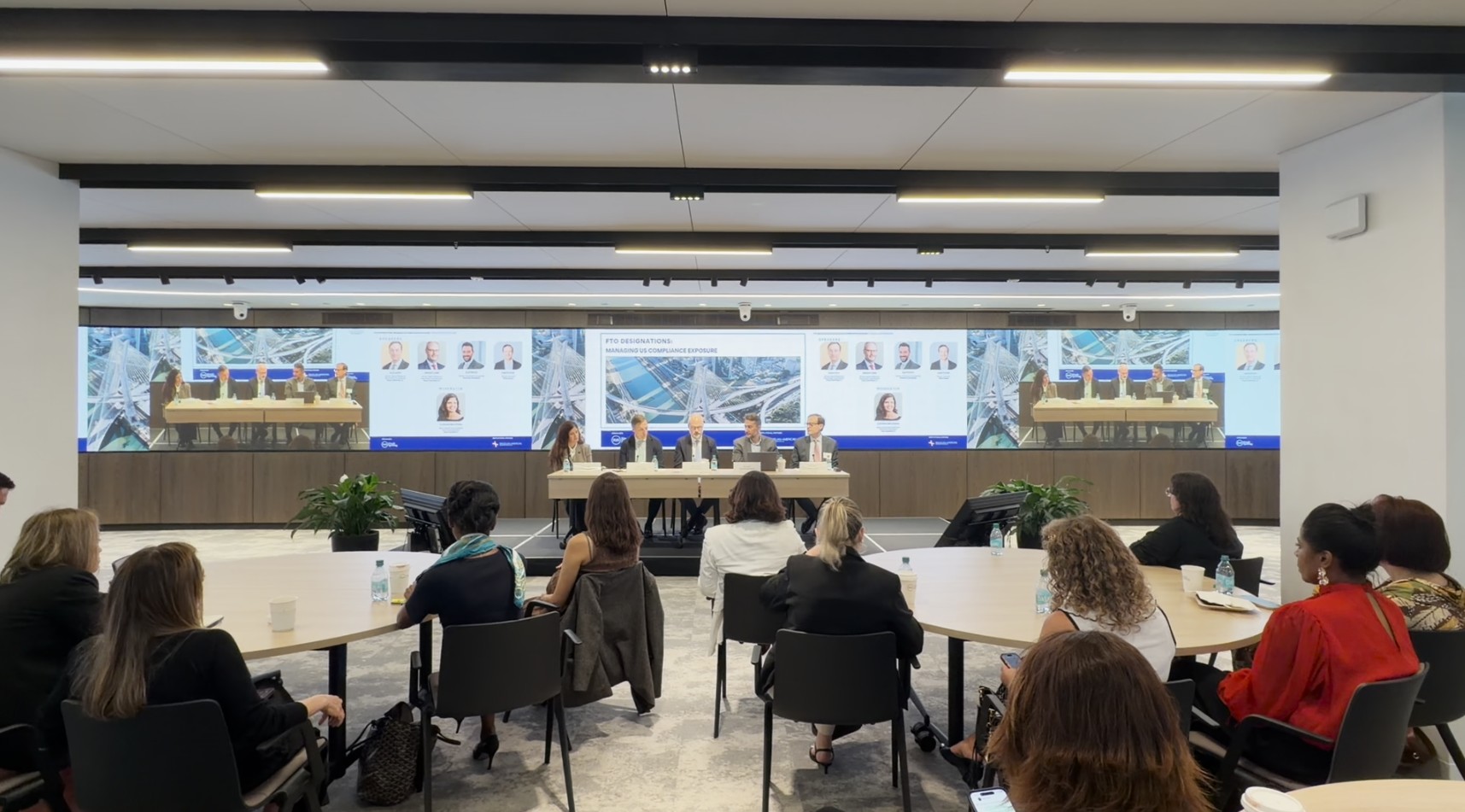
Panelists included Alec Koch, Brandt Leibe, and Clarissa Moliterno of King & Spalding, Eloy Rizzo of Demarest Advogados, and Sam Taylor of Mintz Group. The experts focused on the legal and compliance challenges that may arise for companies operating in Brazil while maintaining commercial, financial, or other connections with the United States.
For ordinary businesses, one of the most immediate questions is: What does the United States’ designation of a criminal organization as a Foreign Terrorist Organization have to do with legitimate companies conducting ordinary business?
The experts explained that an FTO designation targets specific organizations designated by the U.S. government. It does not mean that Brazilian businesses as a whole are subject to U.S. restrictions. A legitimate company with no ties to a designated organization does not automatically become the target of U.S. sanctions or enforcement merely because of such a designation.
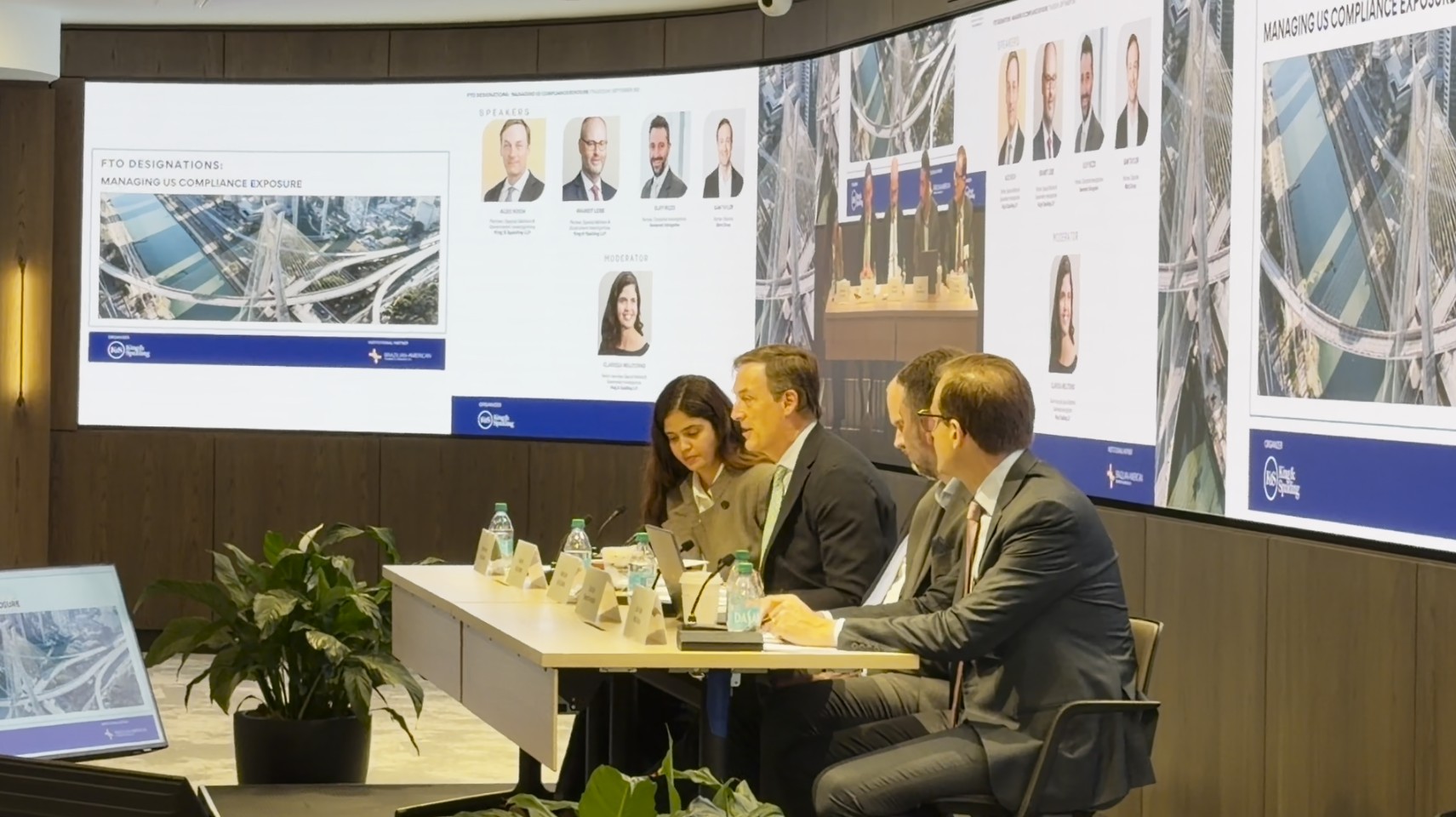
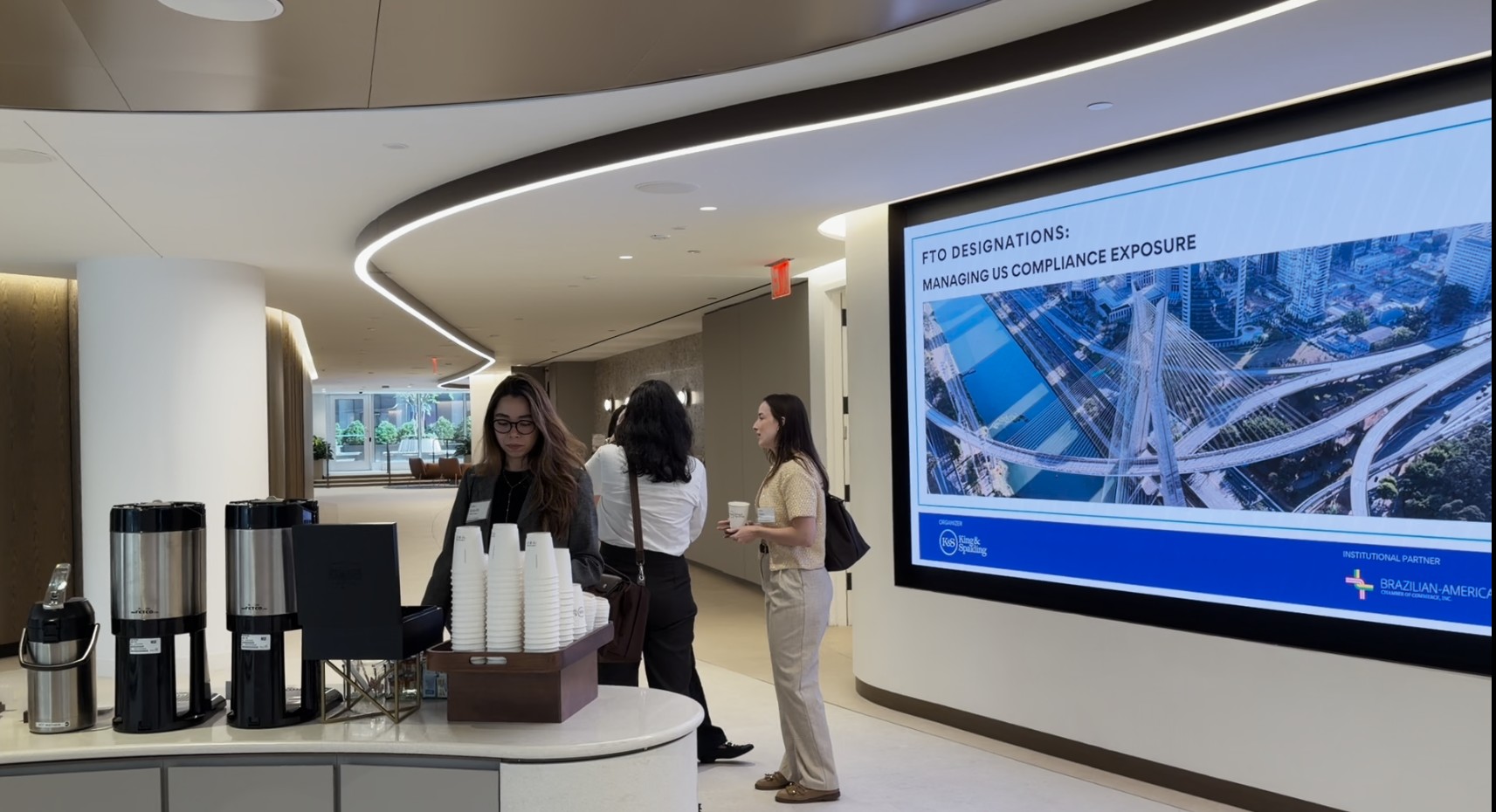
What businesses should truly be alert to is the inherent complexity of modern cross-border commercial relationships. In international trade, investment, and financial activities, a single transaction may involve suppliers, customers, financial institutions, logistics companies, intermediaries, and multiple layers of ownership structures. Companies may not have complete visibility into the ultimate beneficial owners behind their counterparties. Nor may they fully understand the true source or final destination of funds, or whether hidden or deliberately concealed indirect connections exist among the parties involved.
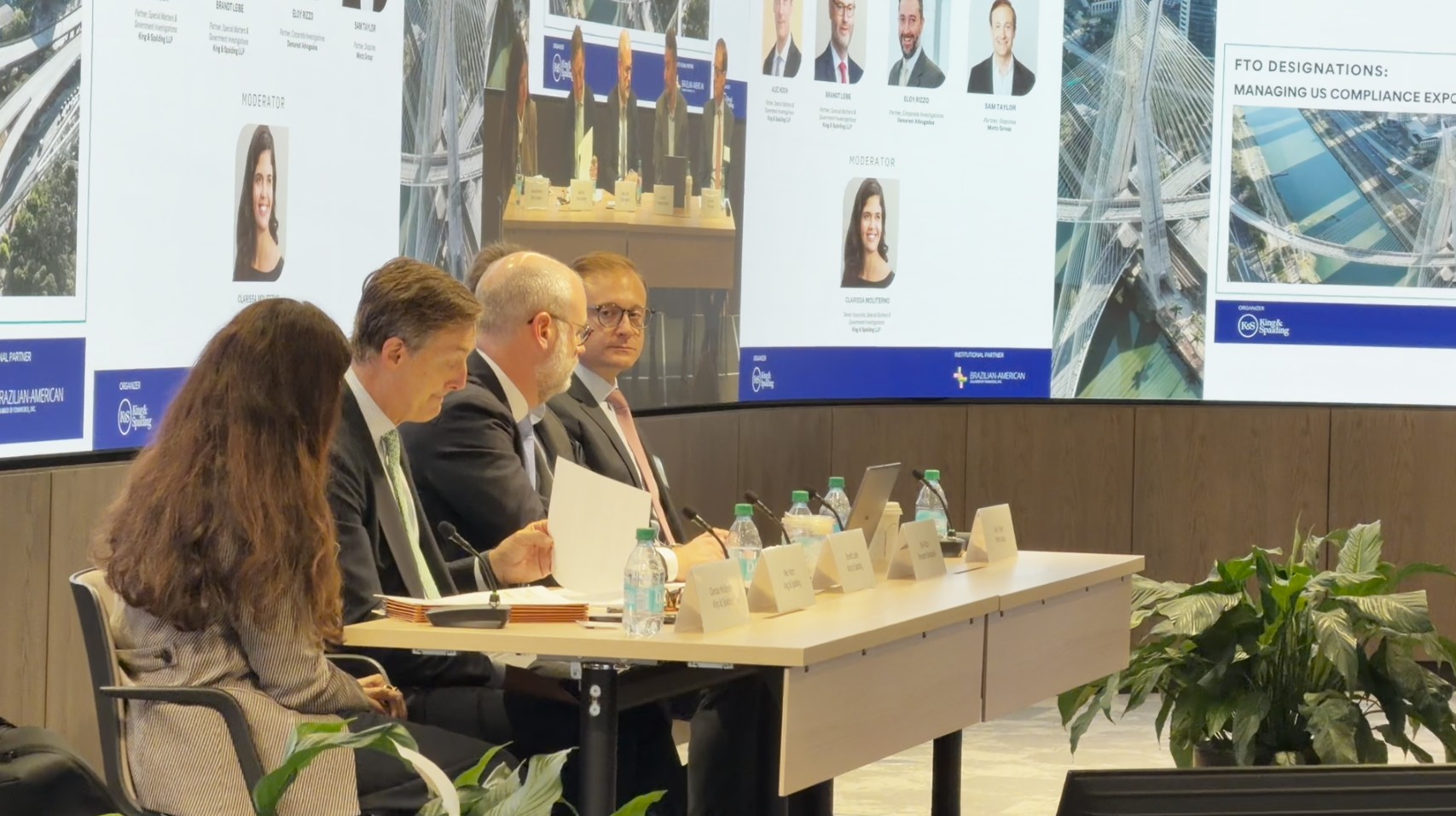
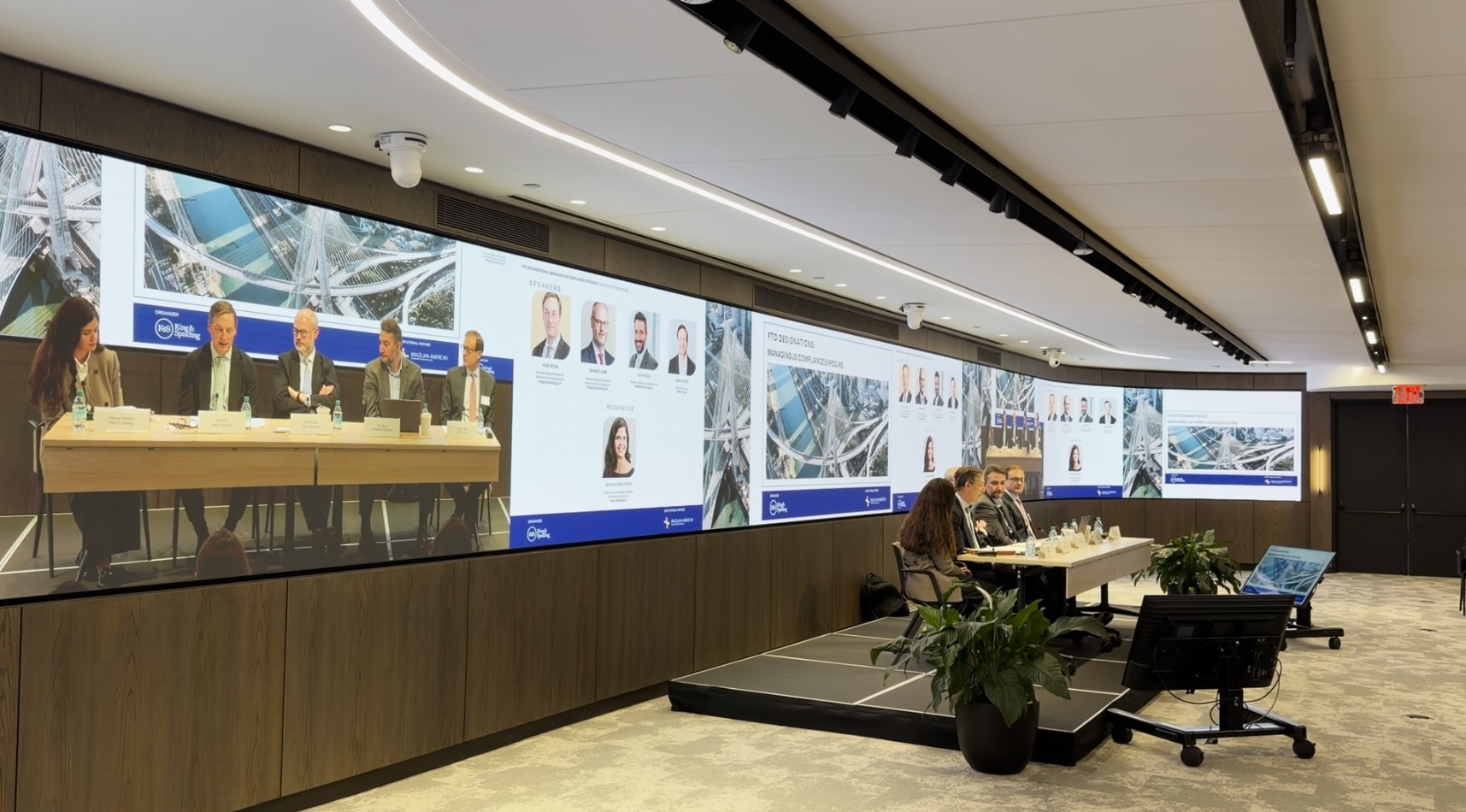
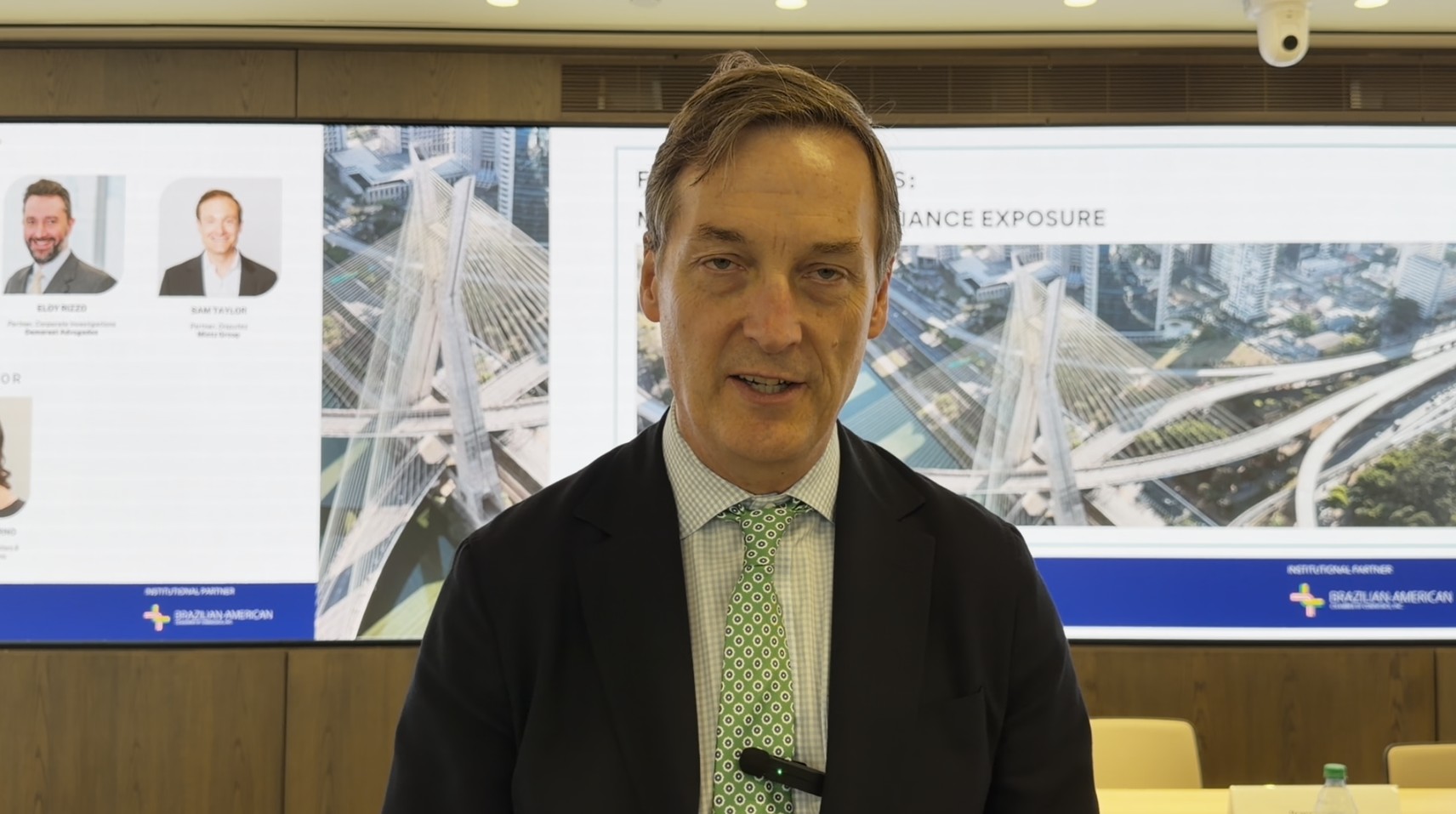
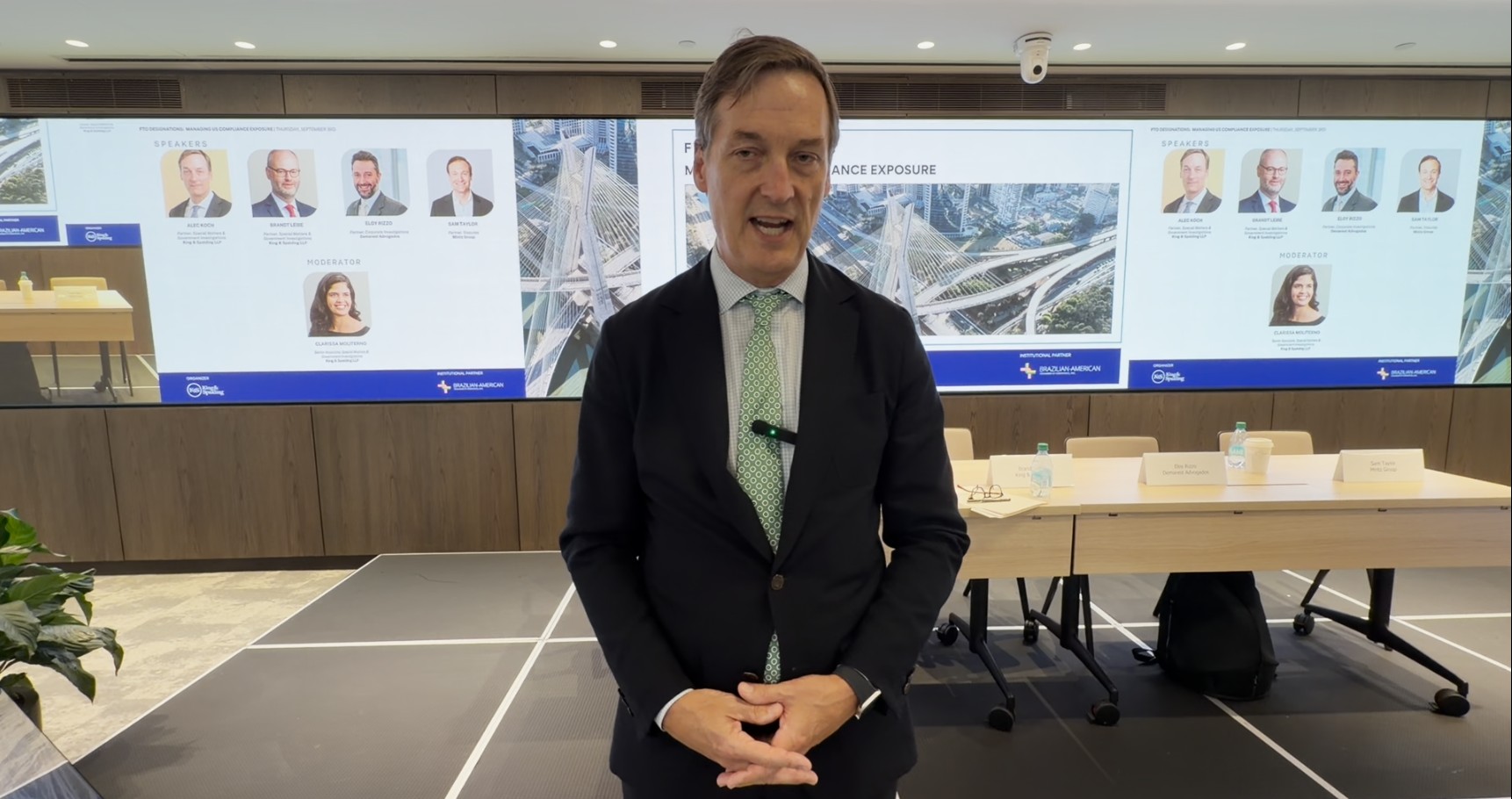
Following the panel discussion, Celebrity Media interviewed King & Spalding partner Alec Koch at the event, asking him to further explain the new legal risks that FTO designations may create for businesses.
Koch said that one of the seminar’s central topics was whether companies could face legal liability for providing what U.S. law defines as “material support” to a designated foreign terrorist organization.

Such “support” does not necessarily take the form of a company making direct payments to the organization in question. In some circumstances, funds, services, commercial benefits, or other resources may pass through third parties and ultimately reach individuals or entities connected to a designated organization. If such relationships are concealed through complex transaction structures, intermediaries, or opaque ownership arrangements, legitimate businesses may face unexpected legal risks.
This issue is especially complex for companies operating in certain high-risk regions. In these areas, criminal organizations may exert substantial influence over local logistics, labor, business networks, and even certain economic activities. Companies must maintain normal operations while also ensuring that direct or indirect relationships do not cross the legal boundaries established under U.S. law.
Koch noted that these FTO designations are creating a relatively new area of corporate risk. Corporate executives, attorneys, and compliance professionals are beginning to confront questions that were uncommon in the past and may not have simple answers.

For companies engaged in trade, investment, or financial activities between the United States and Brazil, the primary impact of the FTO designations may not be a comprehensive prohibition on ordinary business activities. Instead, it is more likely to take the form of more stringent due diligence and compliance reviews.
Banks, investment institutions, and multinational corporations may place greater emphasis on customer identification, counterparty backgrounds, ultimate beneficial ownership structures, and the sources and destinations of funds. As a result, a government measure originally aimed at criminal organizations may have broader commercial consequences through the risk-management systems of financial institutions and international companies.

It is important to note that the central issue is not whether transnational criminal organizations should be confronted. Rather, it is this: How can legitimate businesses avoid incurring legal liability unknowingly because of complex, indirect, or deliberately concealed commercial relationships?
The message emerging from the discussion was clear: businesses need not panic over the U.S. government’s FTO designations, but neither can they afford to disregard them entirely.
This does not mean that all Brazilian companies will be affected. However, companies with complex business structures involving trade, investment, finance, or supply-chain activities in both the United States and Brazil may need to strengthen their reviews of due diligence, sanctions exposure, anti-money laundering requirements, ultimate beneficial ownership, transaction monitoring, and the risk of providing “material support.”
As national security policies become increasingly interconnected with financial regulation and international trade, understanding a company’s own legal and regulatory exposure has become an essential part of cross-border business operations.