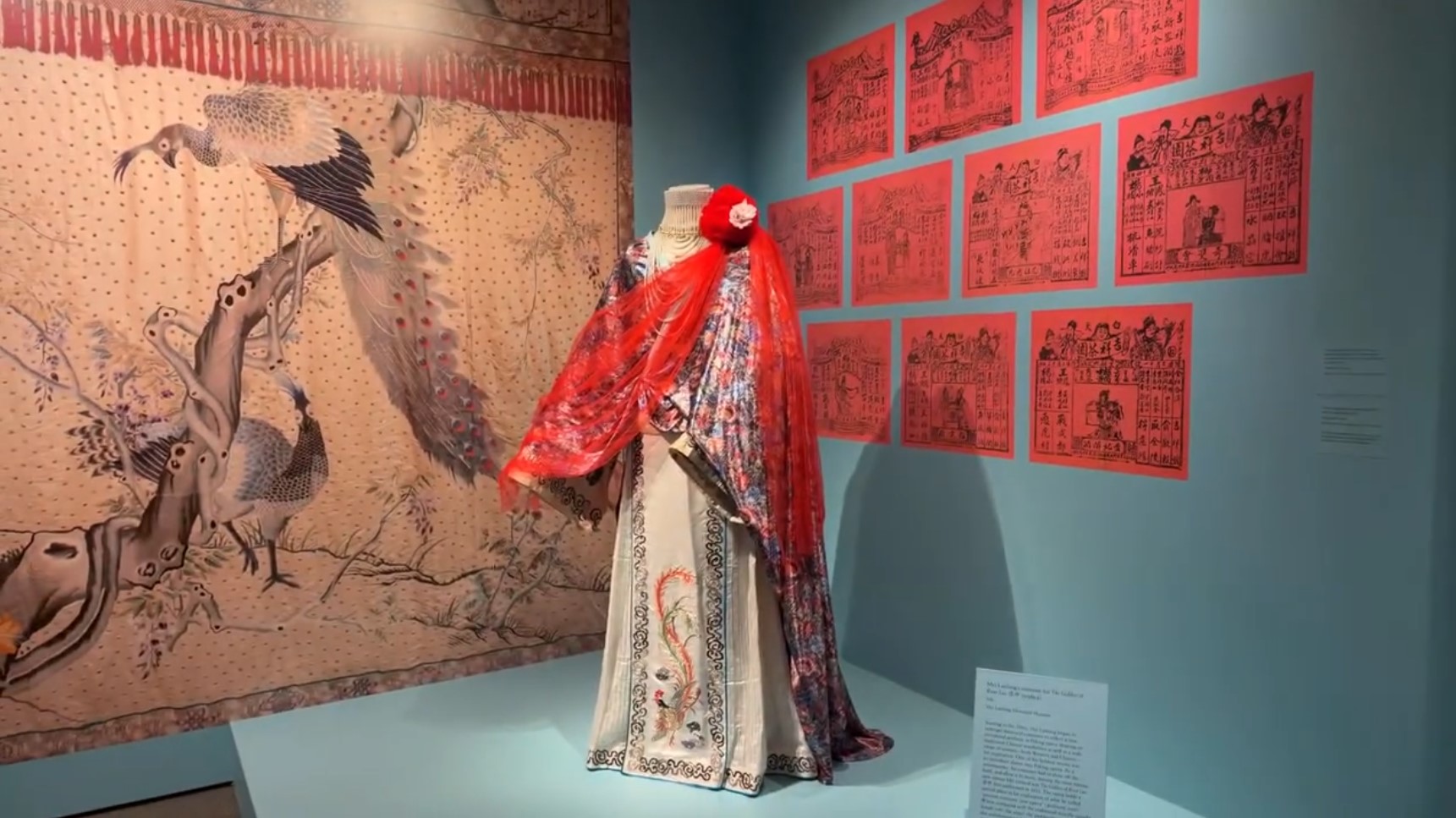
Celebrity Media Alliance Feature Report: In the heart of Manhattan, New York—a city that continually rewrites the global cultural landscape—an artistic echo spanning nearly a century has been reawakened. Marking its centennial, China Institute presents the landmark exhibition “Flying Silks and Singing Wings: Mei Lanfang in America.” This is not merely the opening of an exhibition, but the rekindling of a historical narrative. Peking Opera master Mei Lanfang once again speaks within a contemporary context through his distinctive artistic language.
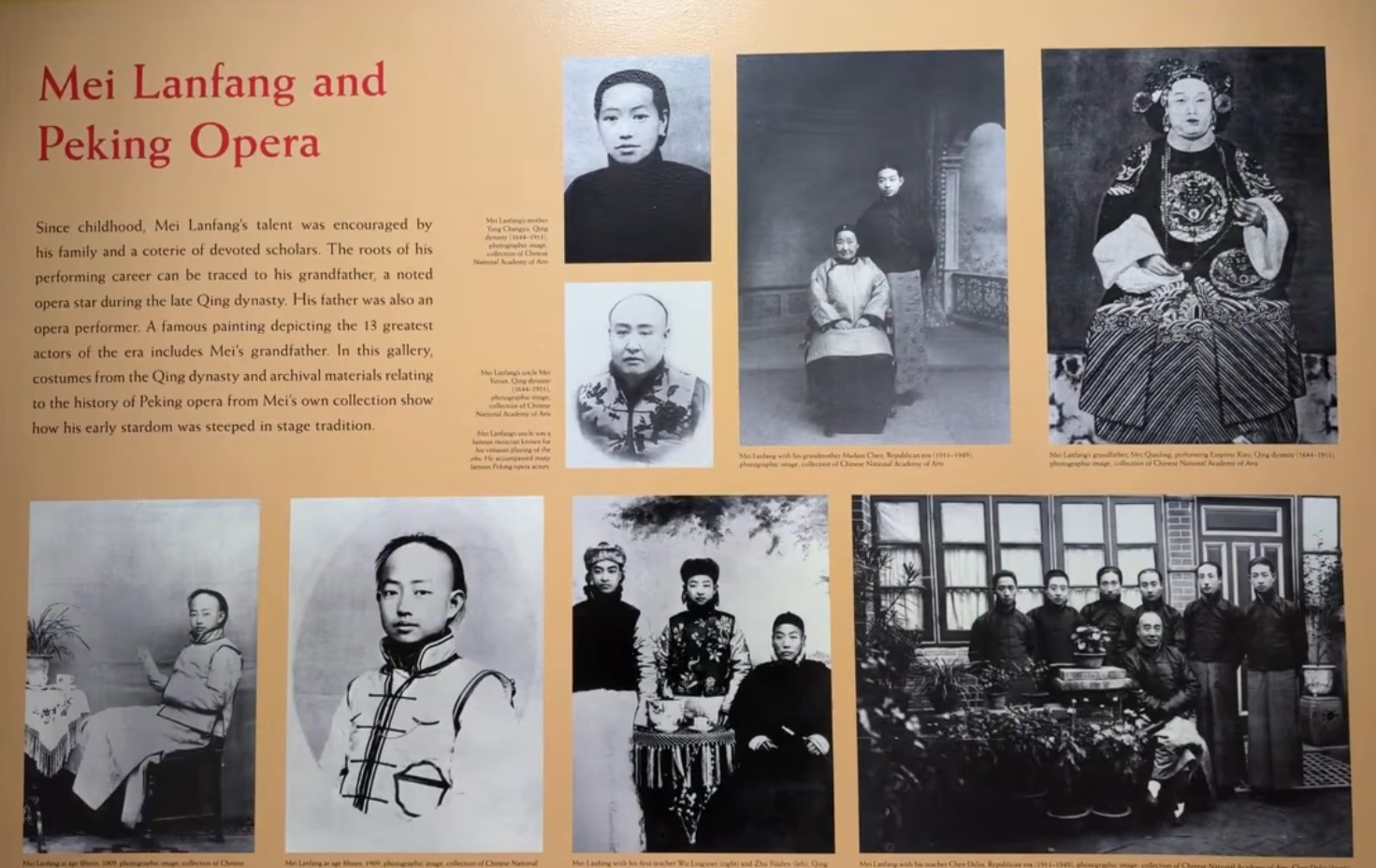
Curated by Catherine V. Yeh, the exhibition combines a rigorous academic framework with a poetic visual narrative, guiding visitors into the cultural storm of 1930. At a time when the Chinese Exclusion Act still cast a shadow over society, Mei Lanfang’s visit to the United States was not only an artistic tour but also a gentle yet resolute cultural breakthrough. The involvement of China Institute transformed this moment in history from something merely “observed” into something deeply “understood.”
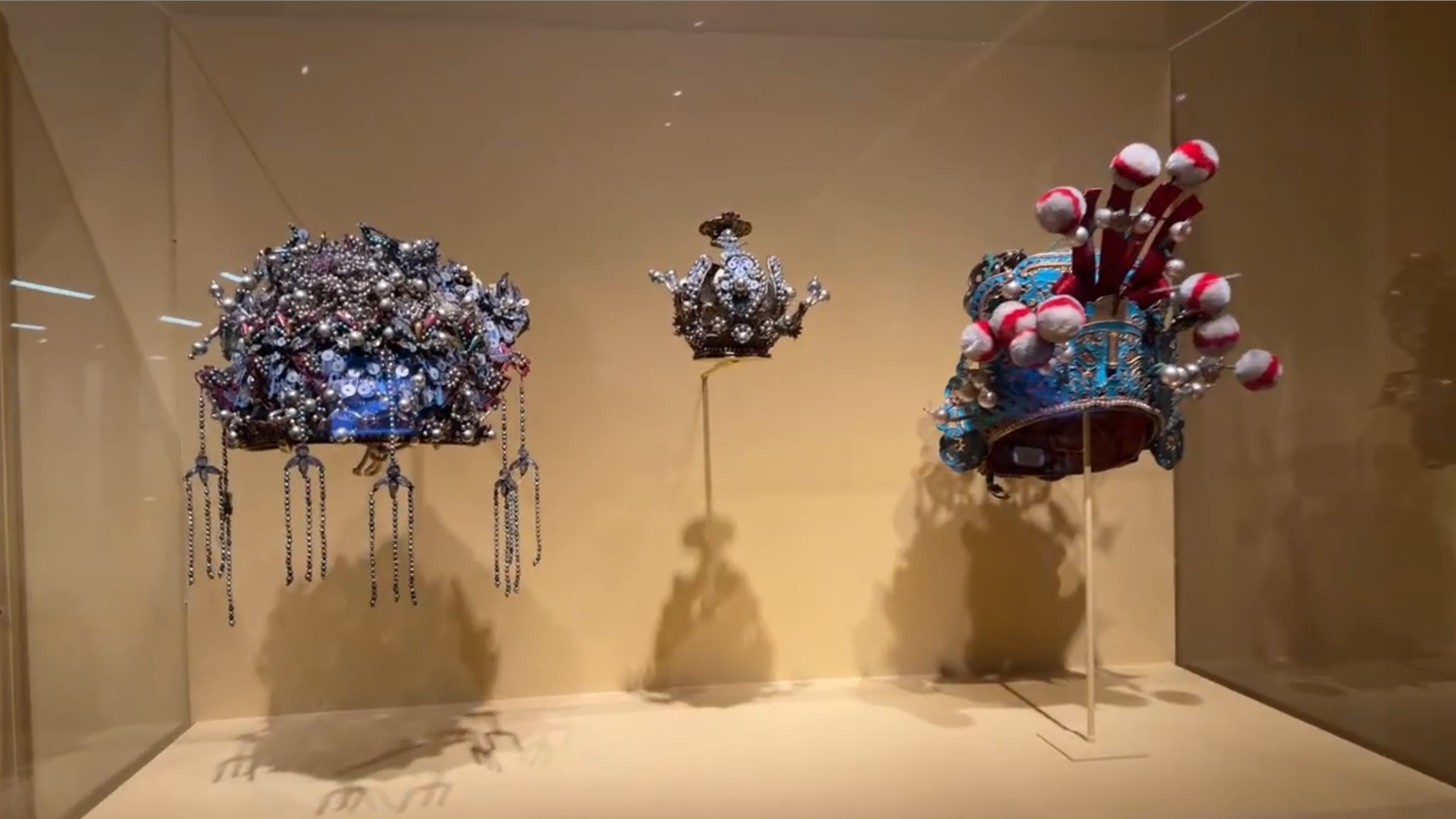
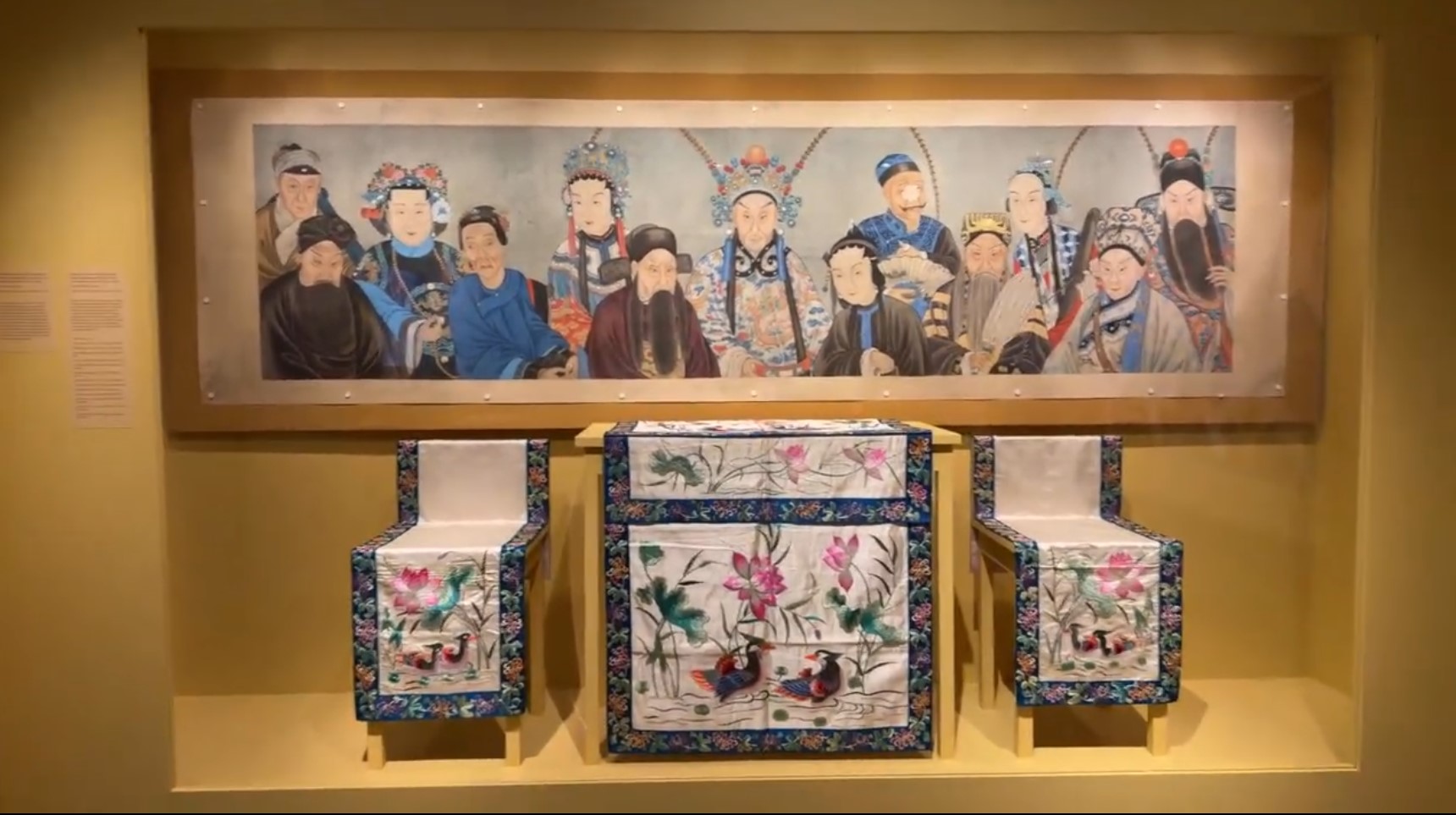
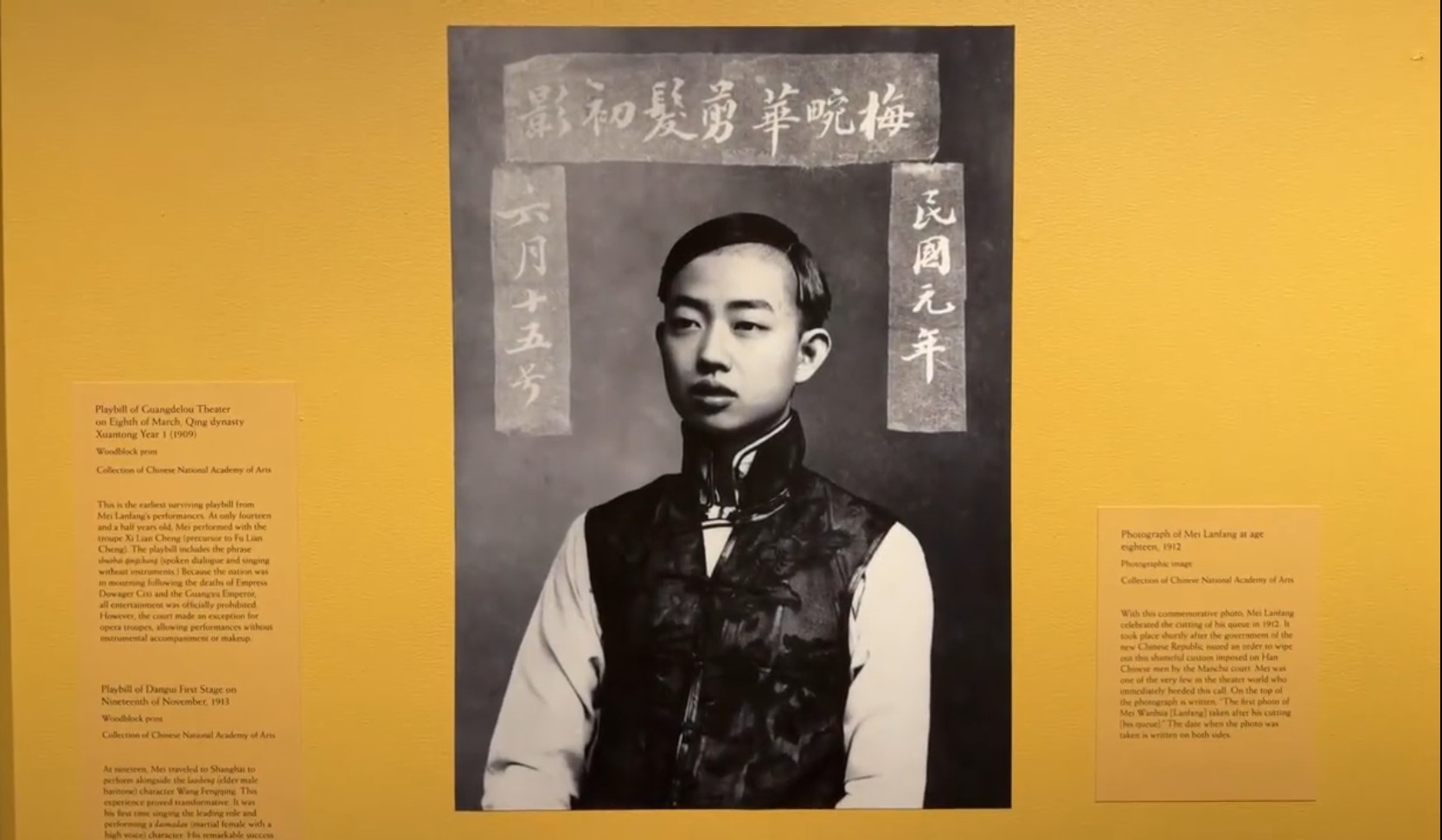
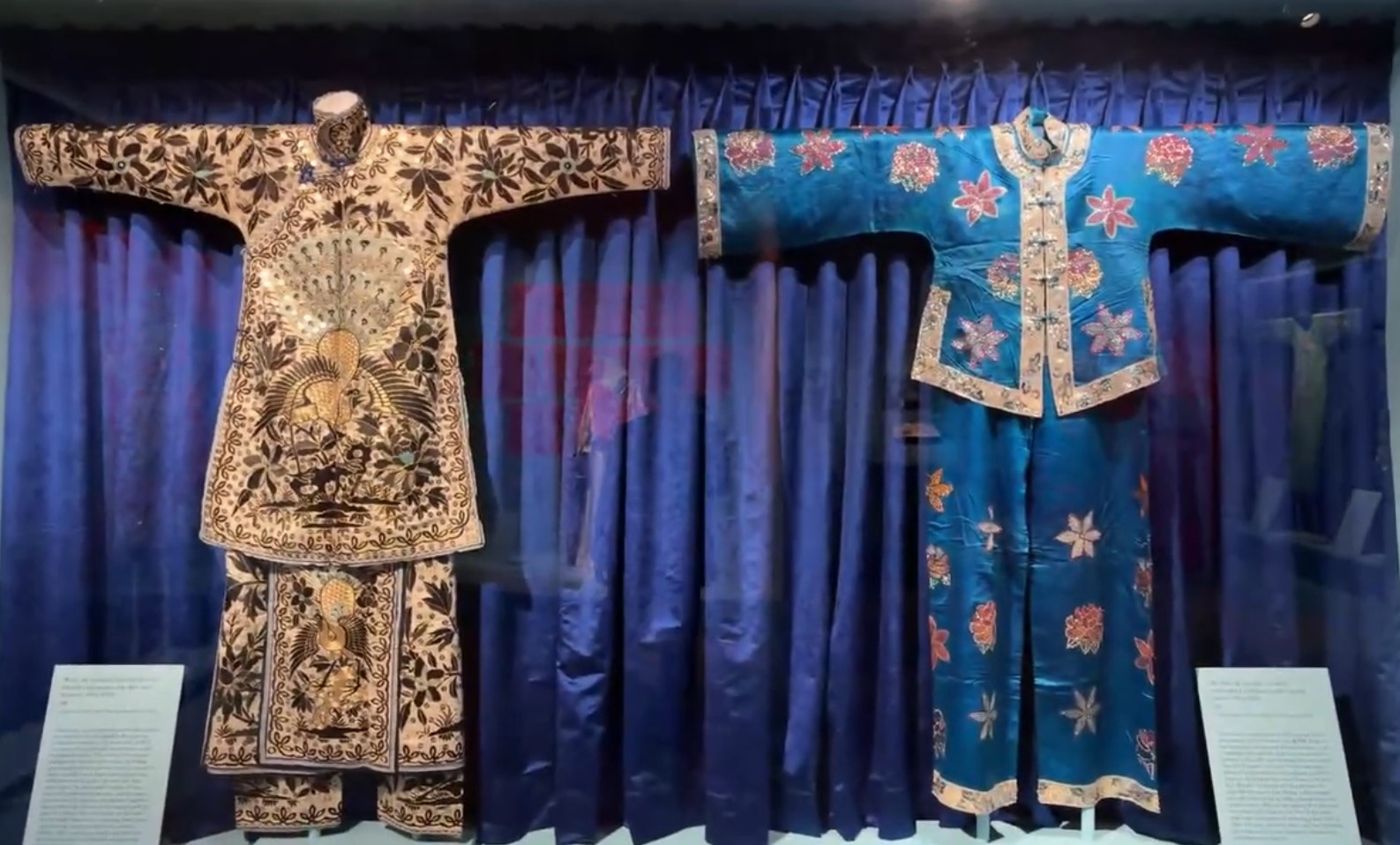
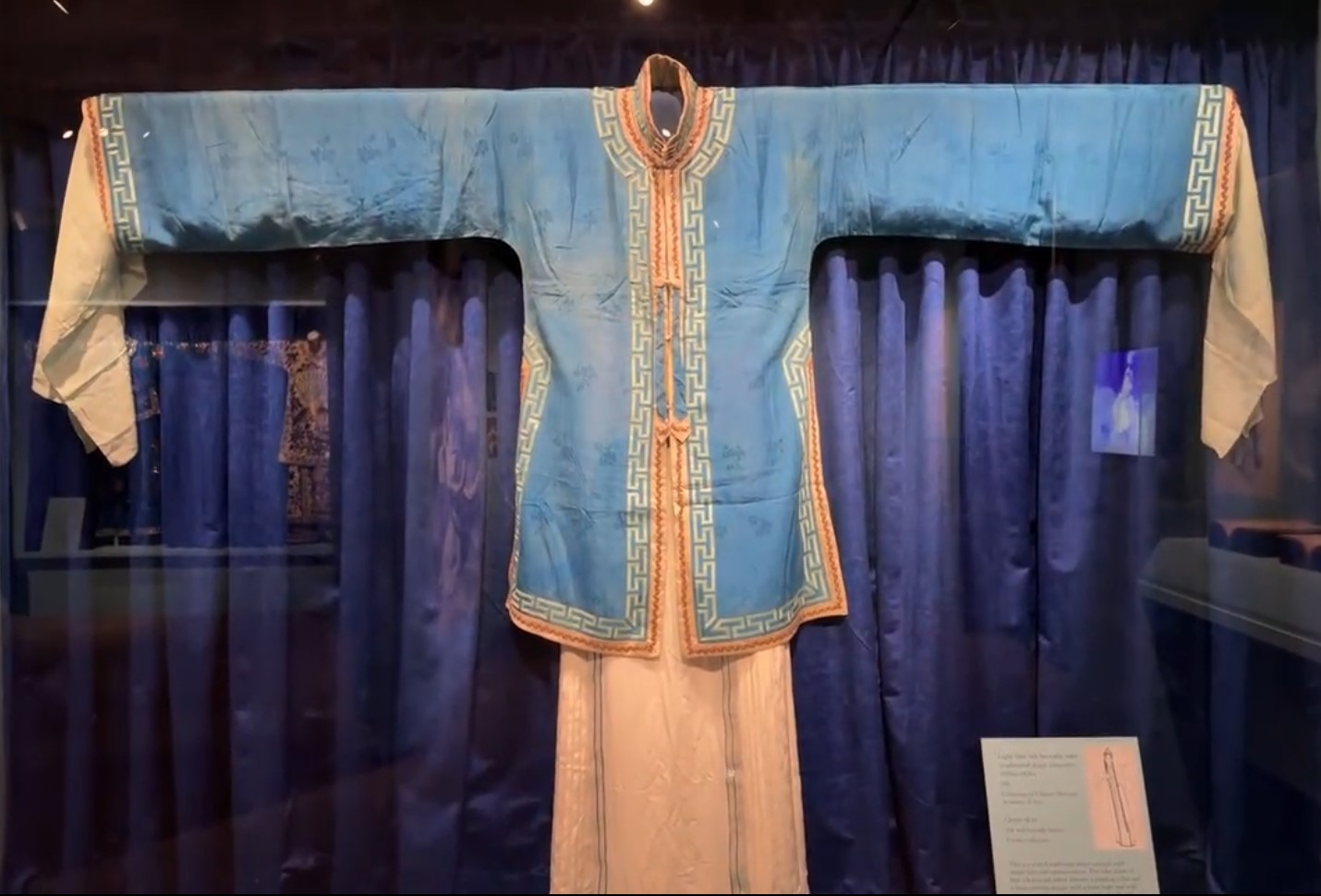
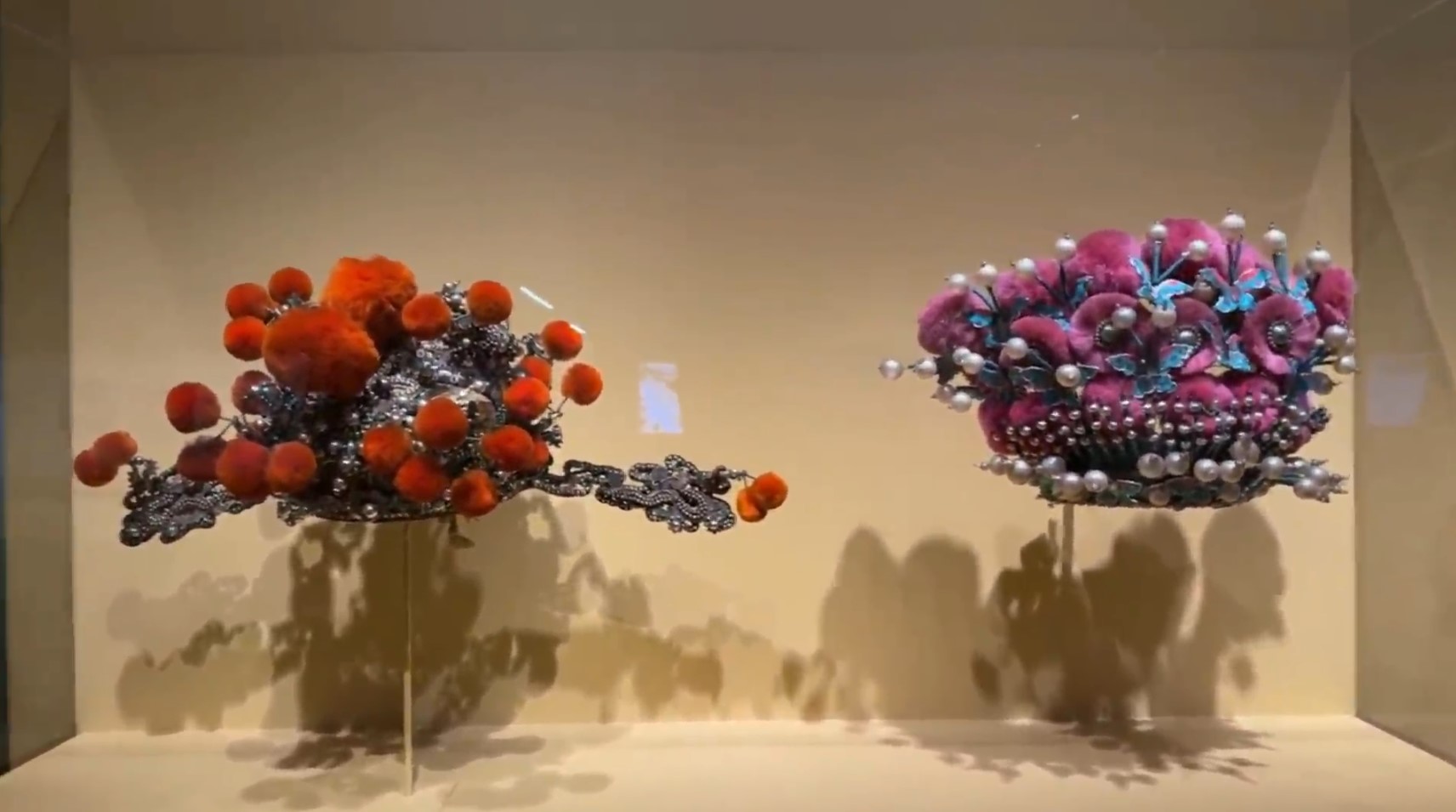
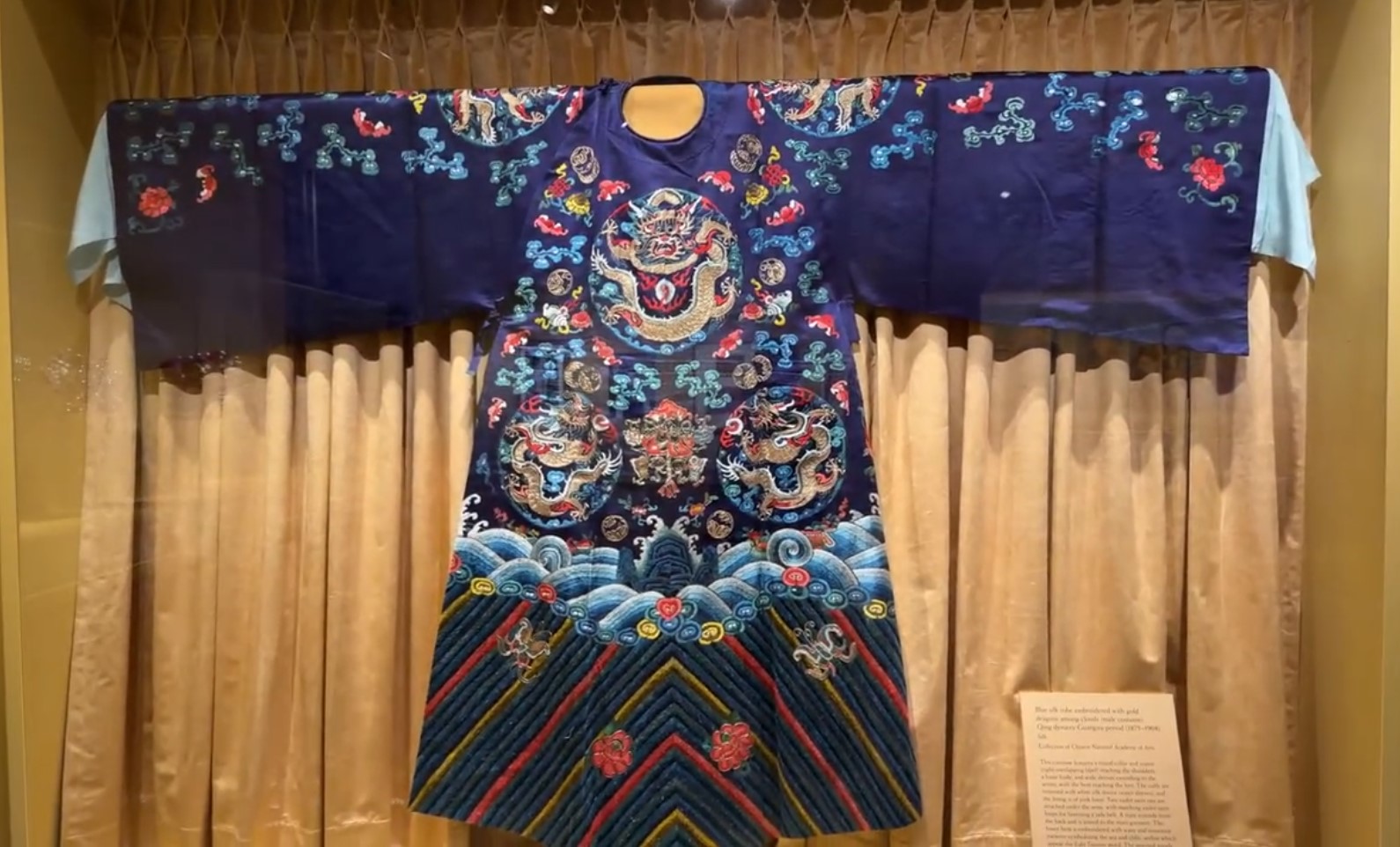
Within the exhibition space, flowing costumes and archival footage seem to softly recount a moving cross-cultural journey. The motion of water sleeves conveys not only the elegance of Eastern aesthetics, but also a redefinition of bodily expression and spiritual meaning. The creation of the “huashan” role type broke through boundaries of character and gender, giving figures unprecedented psychological depth. This artistic reconstruction was not a departure from tradition, but a proactive response and elevation under the pressures of its time.
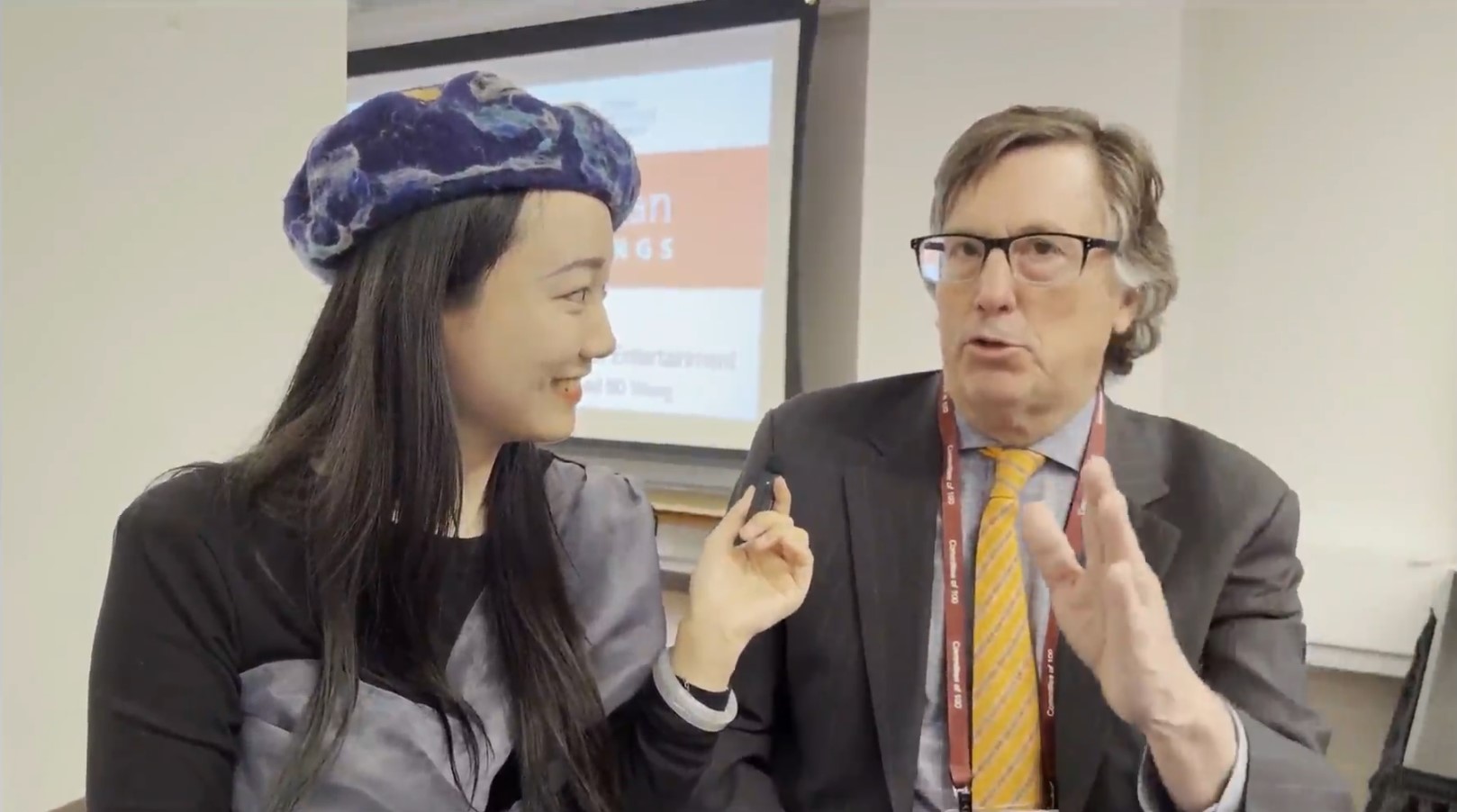
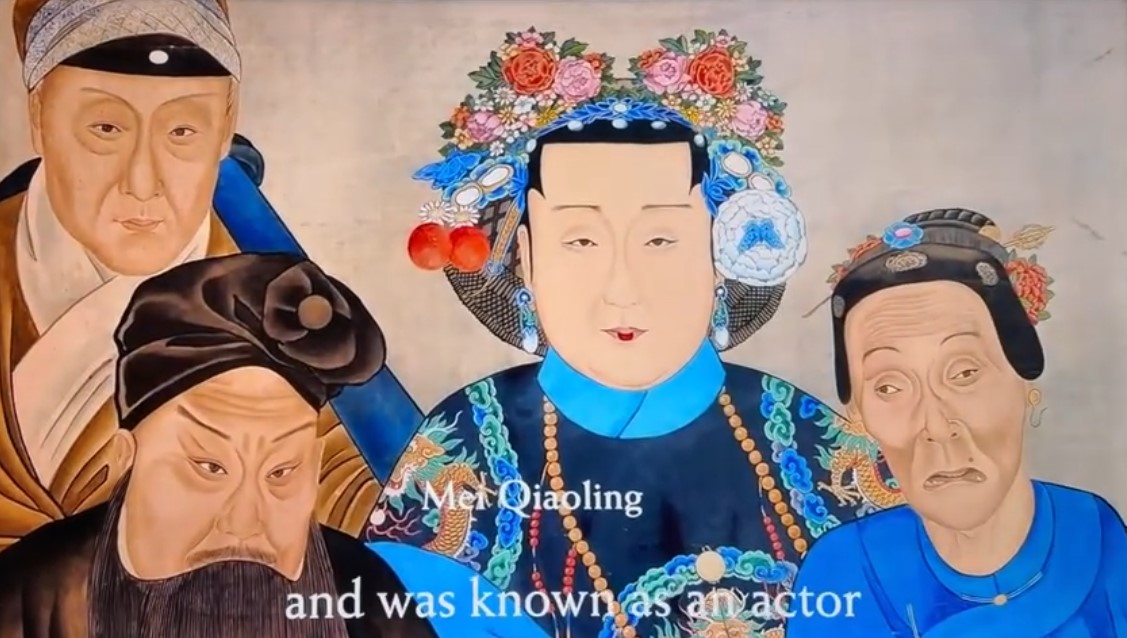
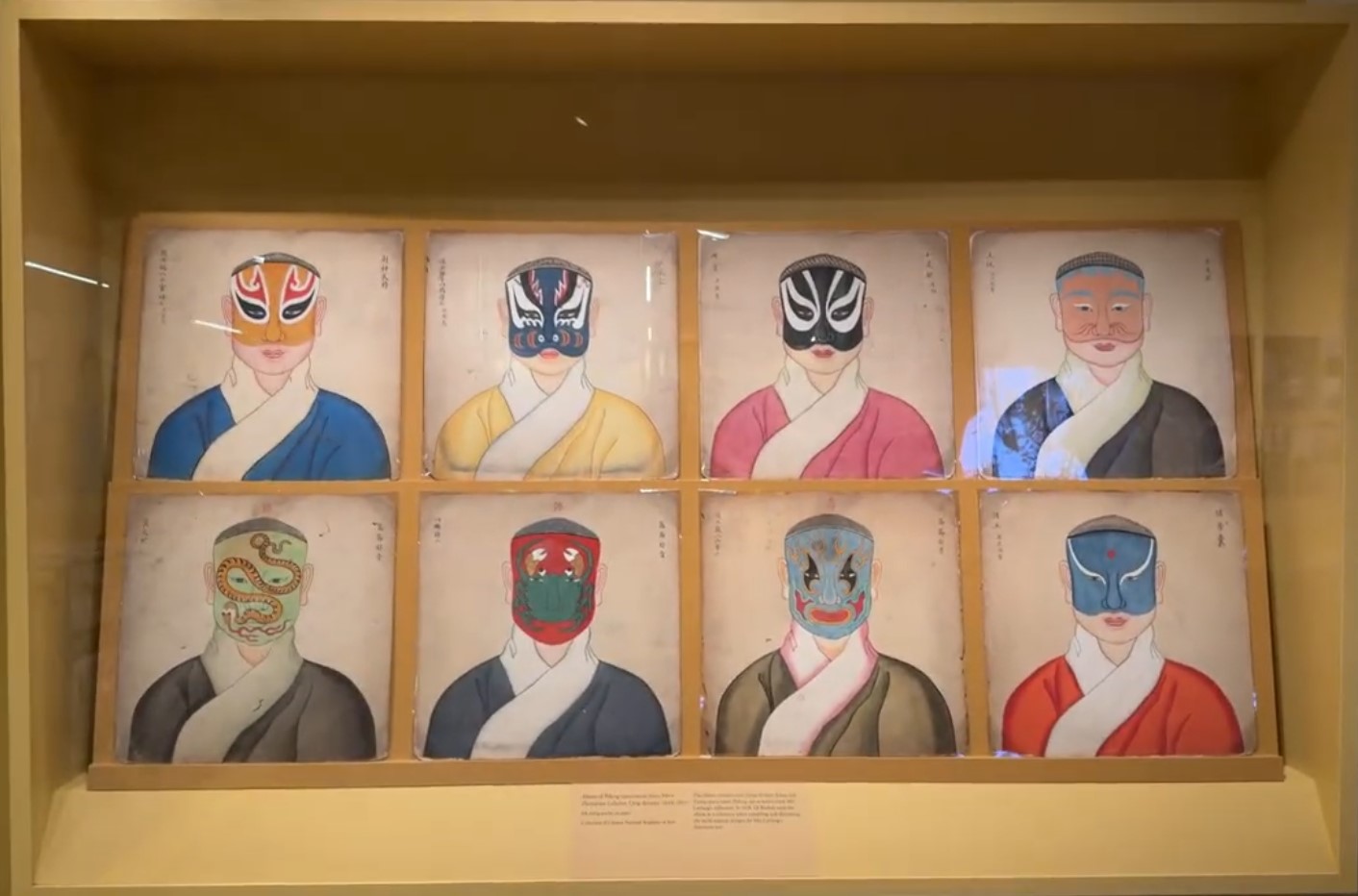
Notably, this cross-cultural success was not an accidental moment of brilliance, but the result of a carefully constructed pathway to understanding. From English annotations of gestures, to the transcription of melodies into Western musical notation, to academic publications and dialogues with universities, Mei Lanfang and his team demonstrated remarkable foresight in translating Chinese art into a language accessible to the world. This was not merely artistic dissemination, but a reshaping of cultural expression itself.
Within the exhibition, archival images capturing encounters with Western artistic giants such as Charlie Chaplin stand as some of the most symbolic moments. These were not merely personal meetings, but equal dialogues between two civilizations at the artistic level. Mei Lanfang’s performances, highly stylized yet rich in emotional intensity, broke through established Western perceptions of theater. The “East” was no longer an object to be observed, but became a vital force in redefining stage aesthetics.
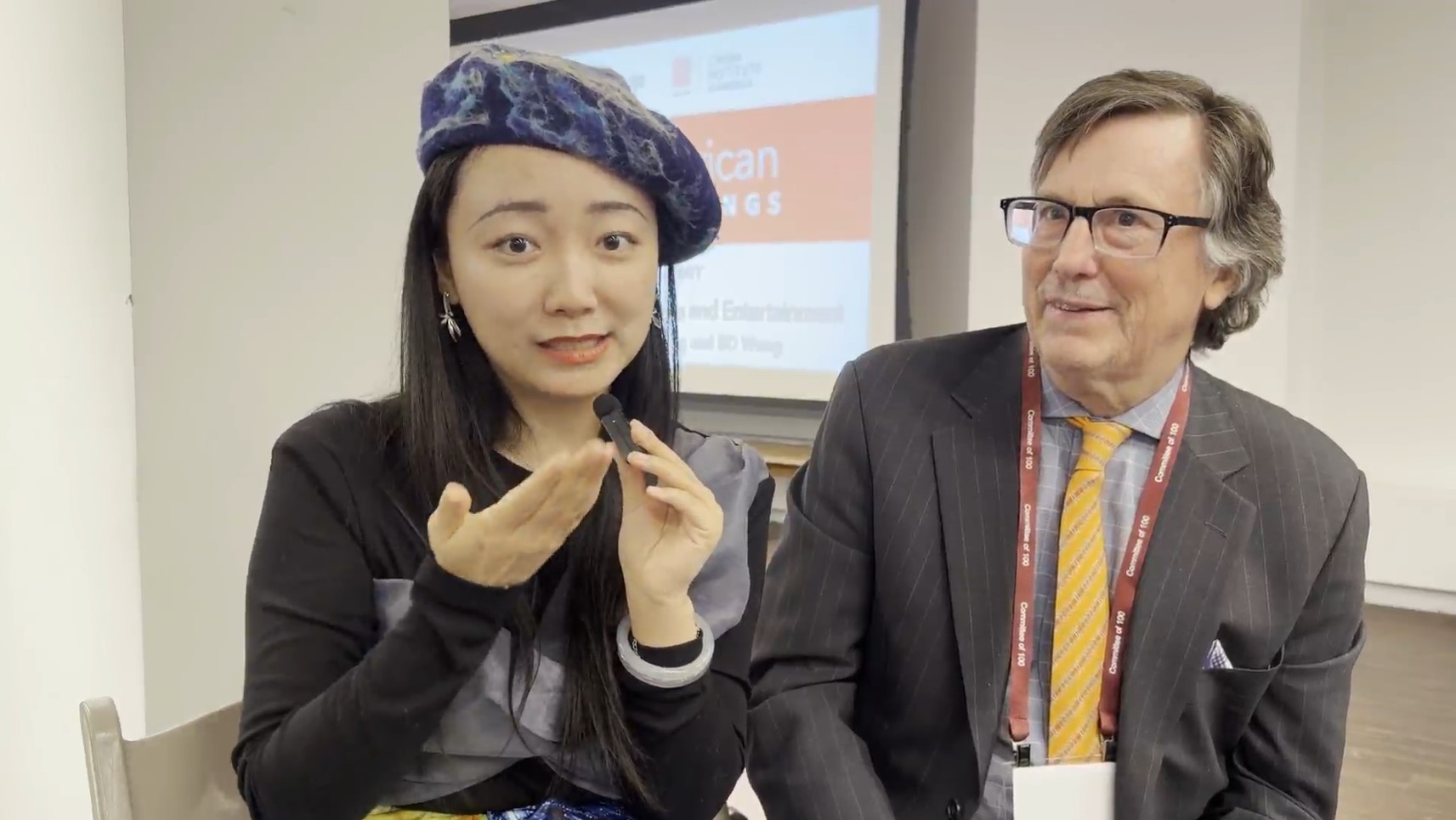
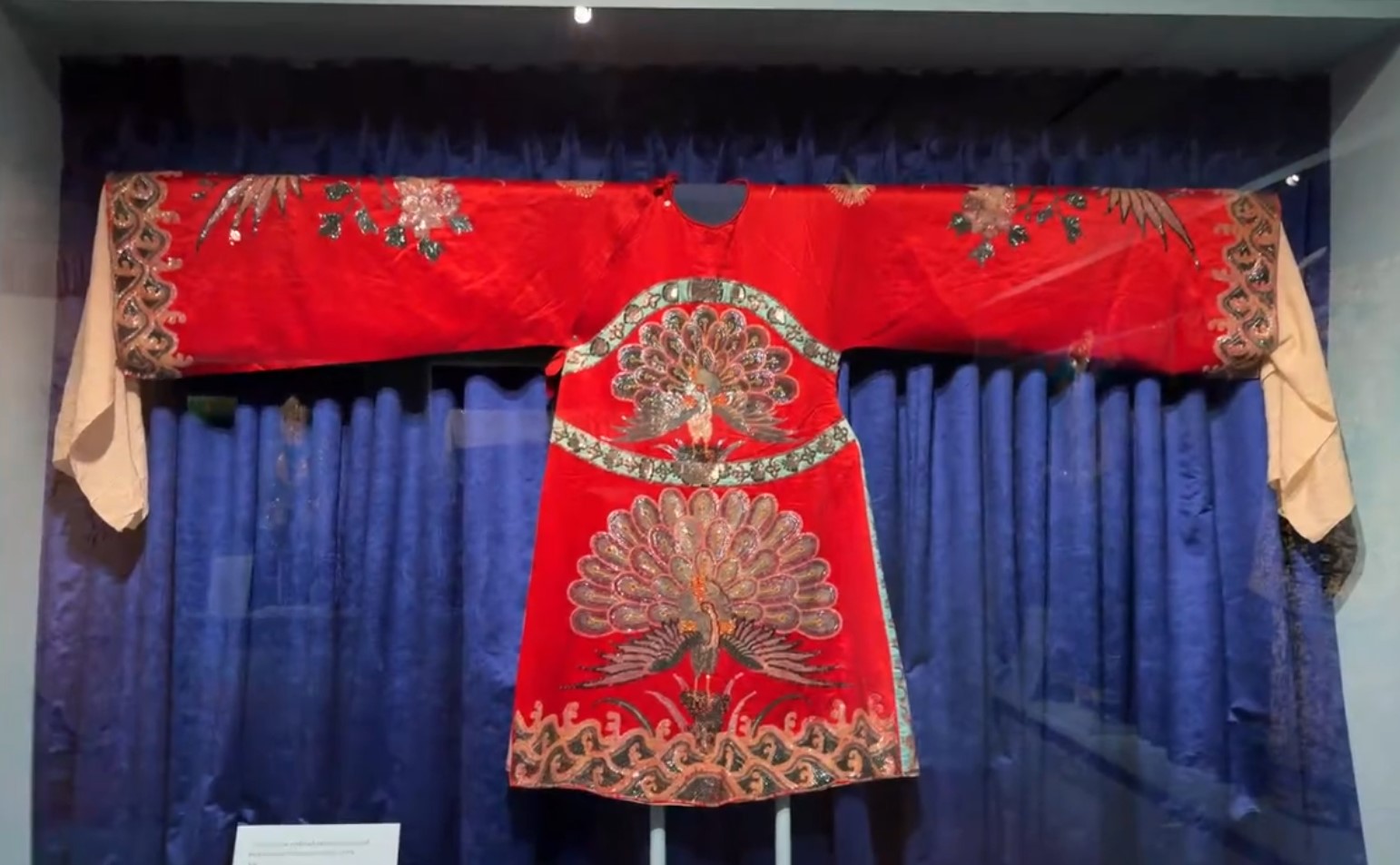
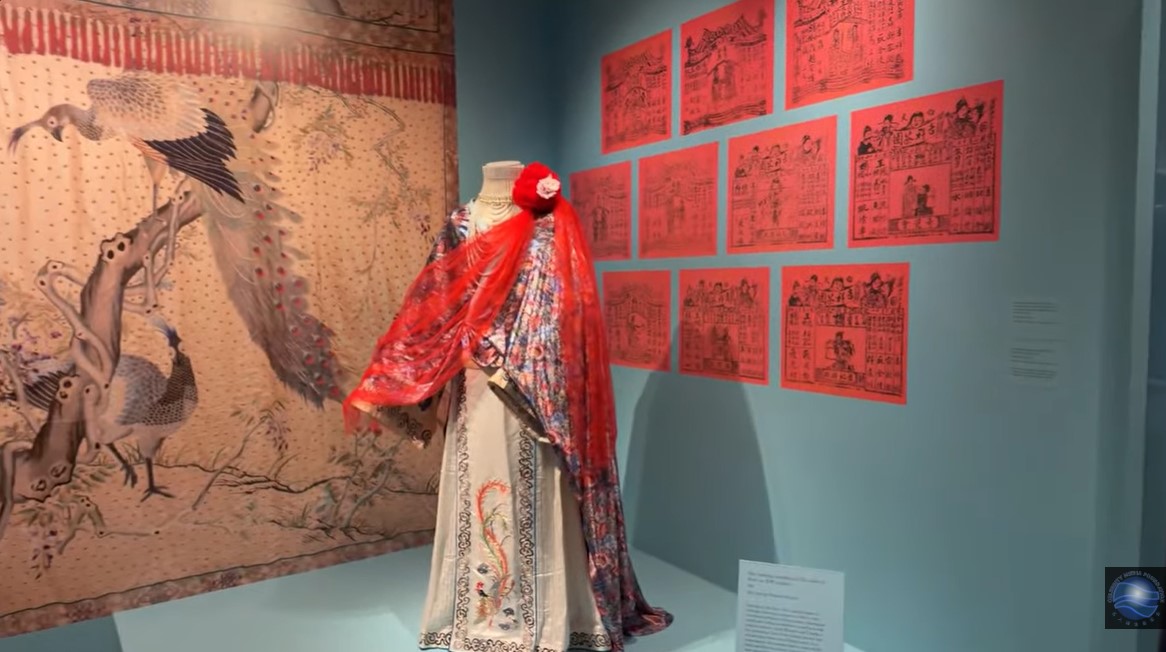
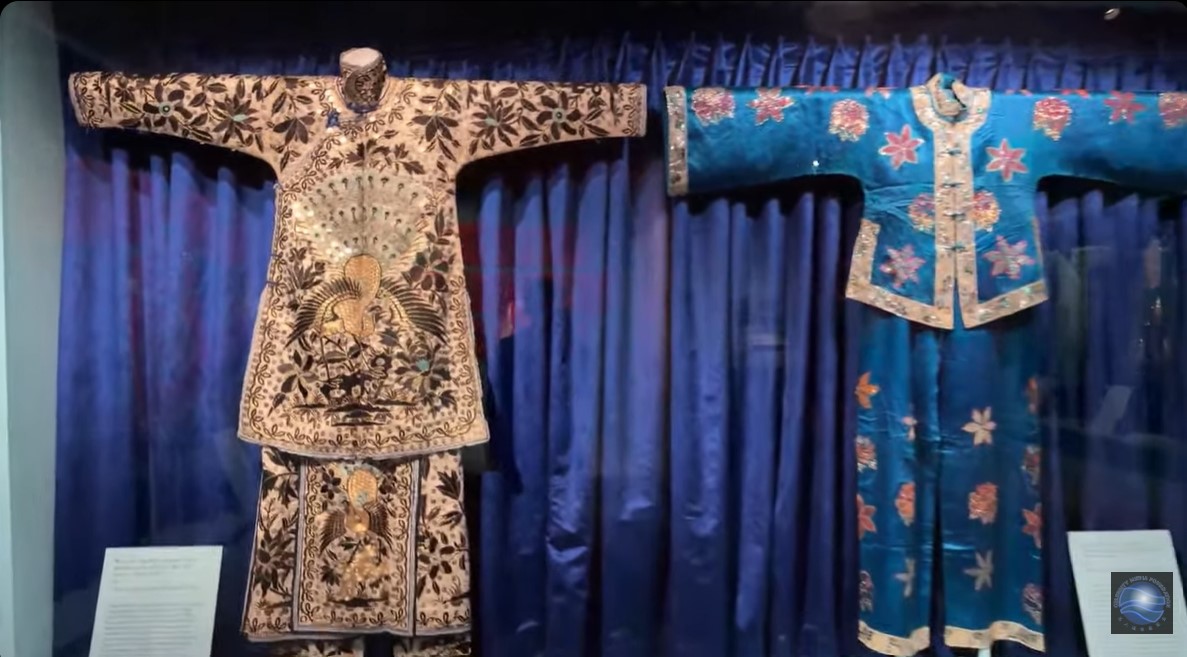 As the gestures on screen reemerge and the vocal tones resonate through the space, this exhibition presents not only Mei Lanfang’s artistic achievements, but also a cultural confidence that transcends time. In today’s continuously flowing global culture, this history becomes especially clear: what truly crosses boundaries is never form alone, but the creative power that moves freely between tradition and modernity.
“Flying Silks and Singing Wings” is both a poetic tribute to a master artist and a metaphor for the graceful yet resolute flight of Chinese culture on the world stage. In this moment, history is no longer distant—art is still happening.