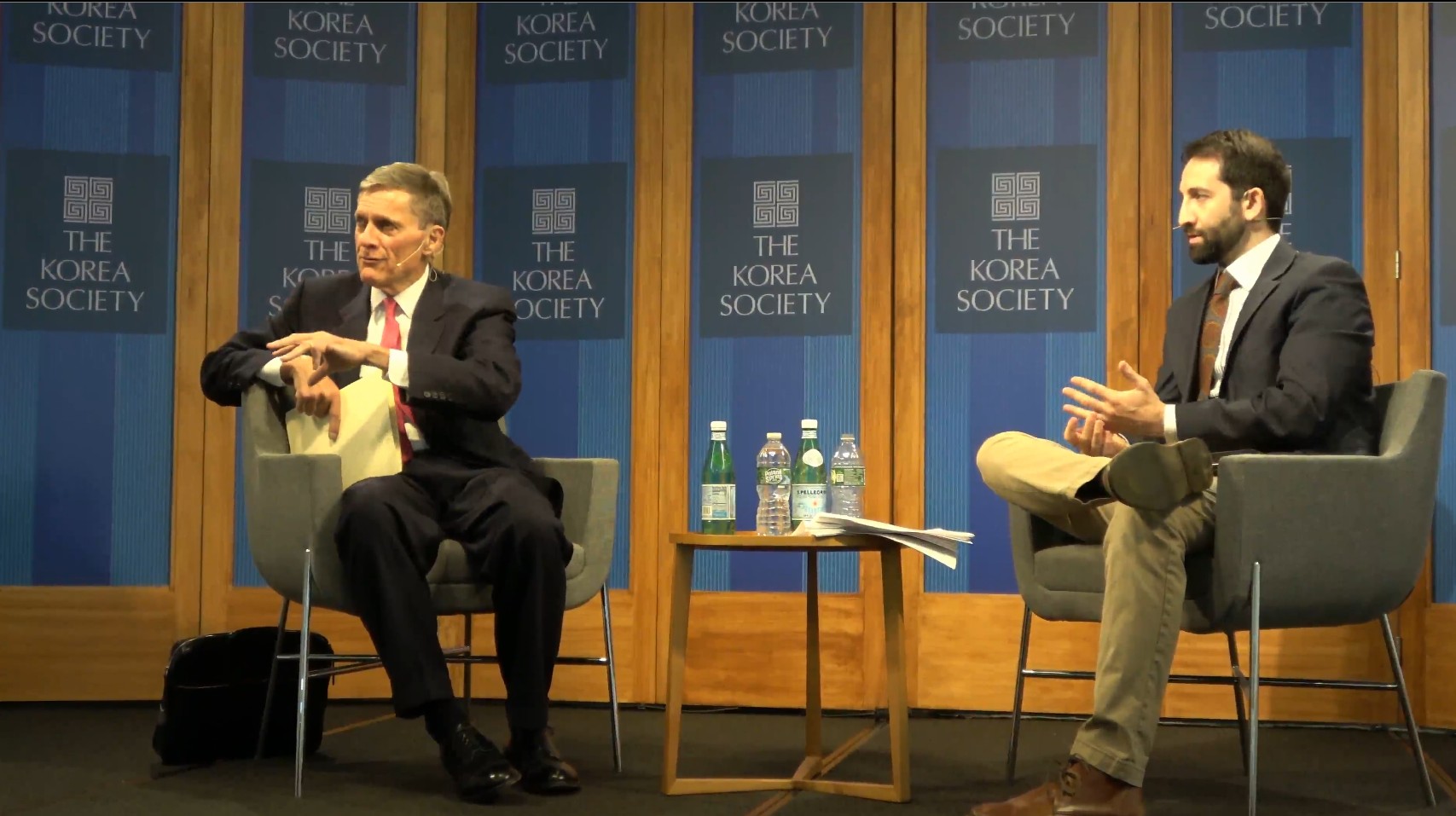





Celebrity Media special report from the Korean Society of New York: In a special exchange on the United Nations sanctions mechanism, international security, and global governance, former UN sanctions expert Dr. Jonathan Brewer answered questions from the audience on issues including the next UN Secretary-General, the role of the UN Security Council, the nuclear issues involving North Korea and Iran, sanctions monitoring mechanisms, and unilateral sanctions.
When discussing possible candidates for the next UN Secretary-General, Dr. Brewer said that among the names currently being mentioned, Rafael Grossi, Director General of the International Atomic Energy Agency, is one figure worth watching. He noted that if Grossi were to become UN Secretary-General in the future, his technical background at the IAEA and his experience in handling nuclear issues could bring professional advantages to the UN in addressing the nuclear challenges involving North Korea and Iran.
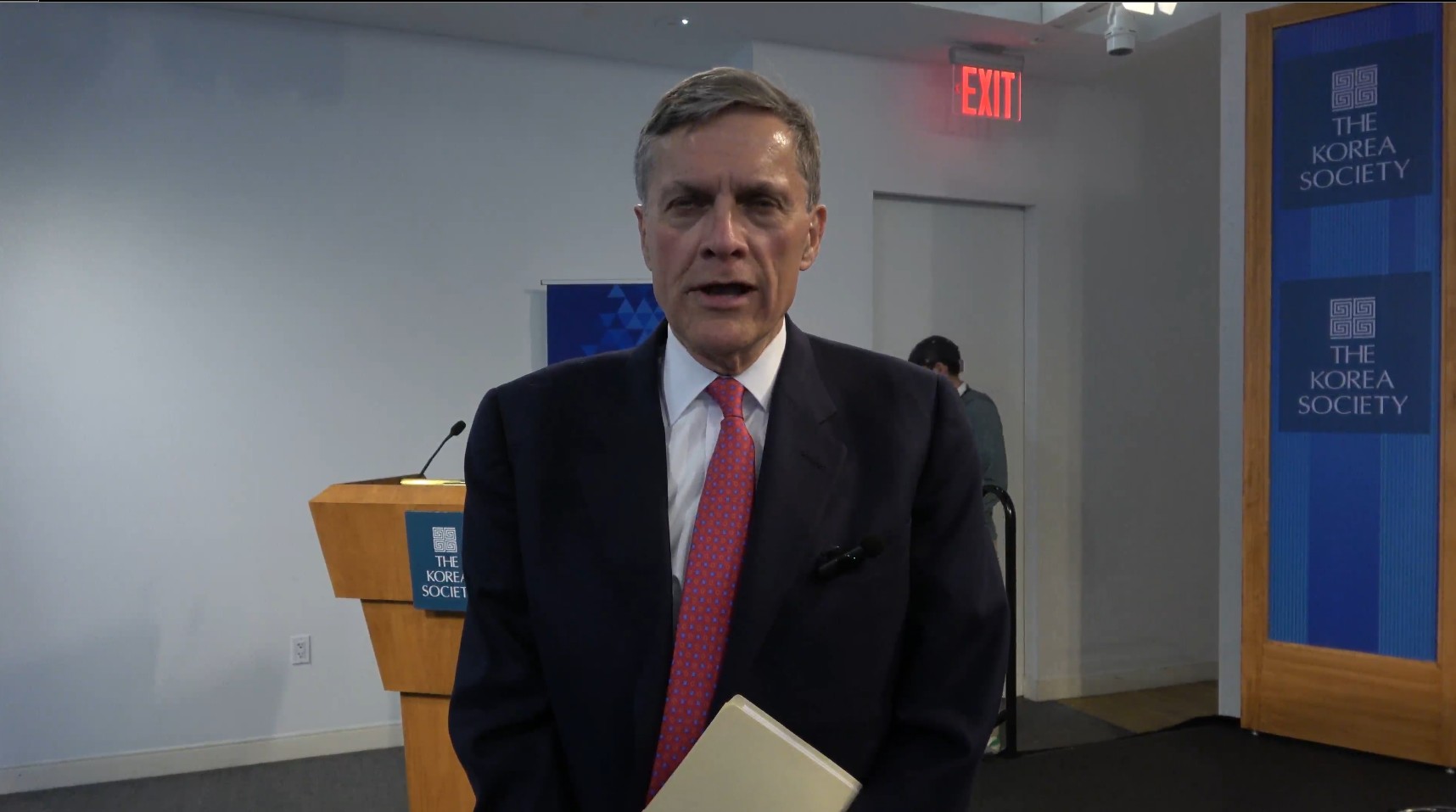
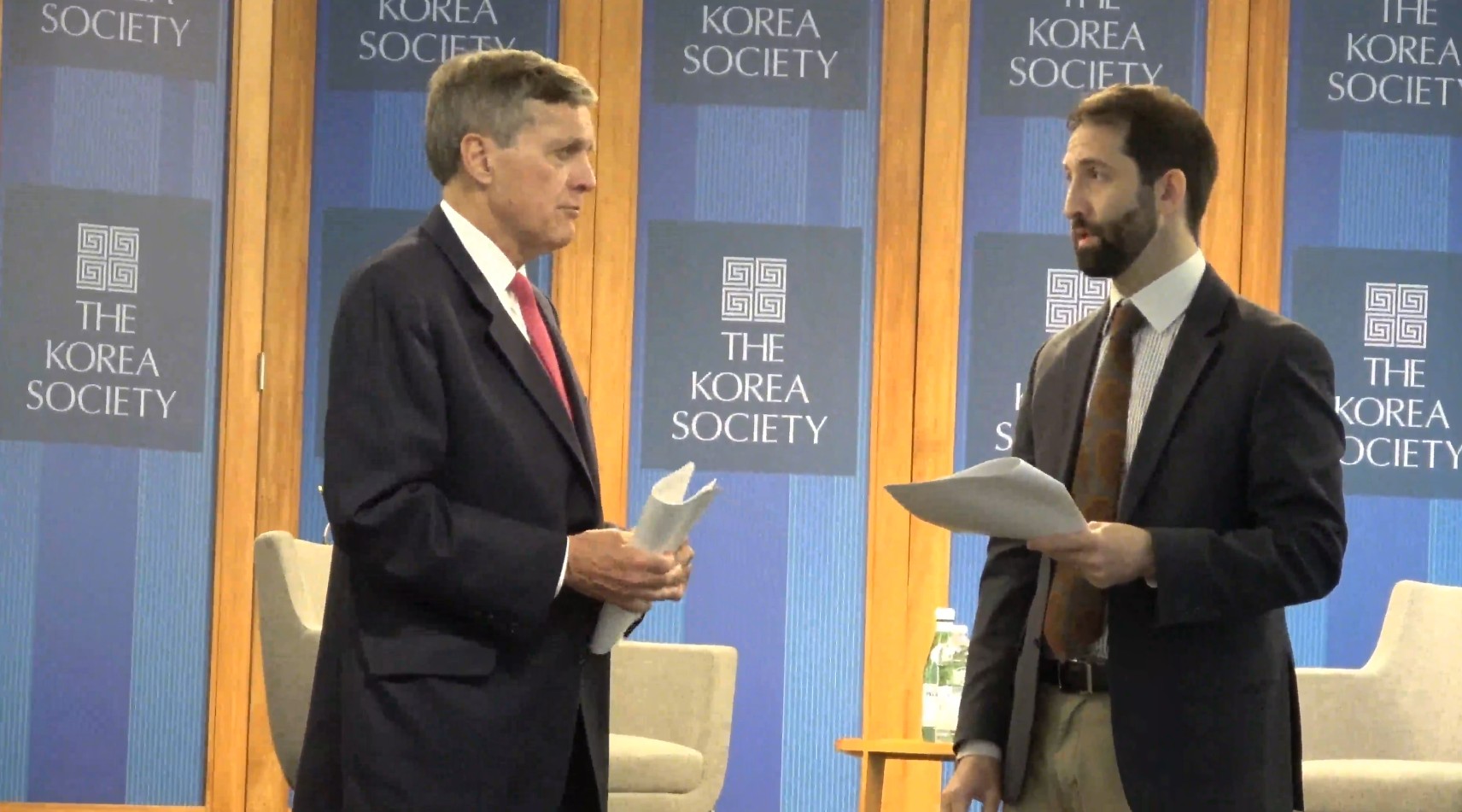
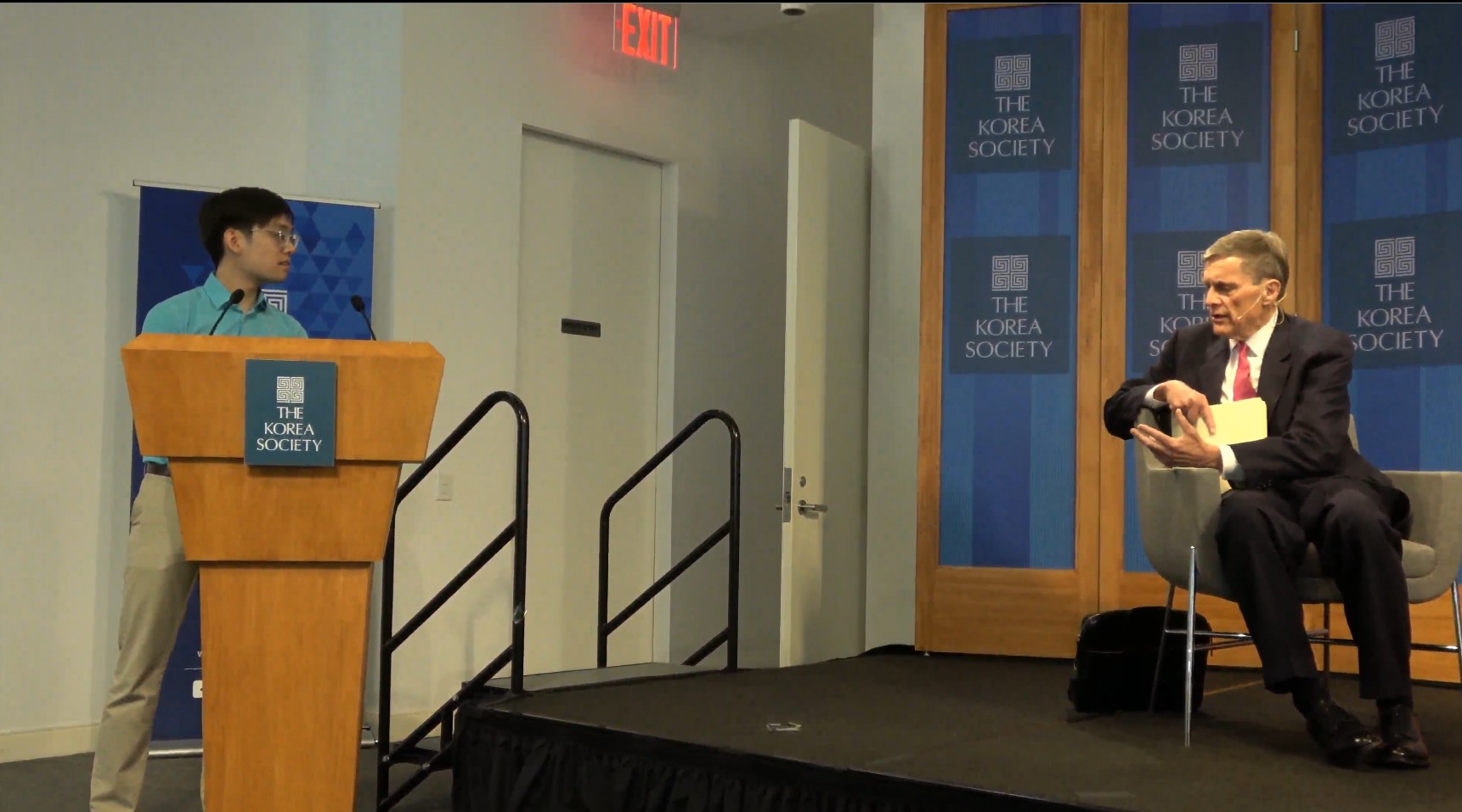
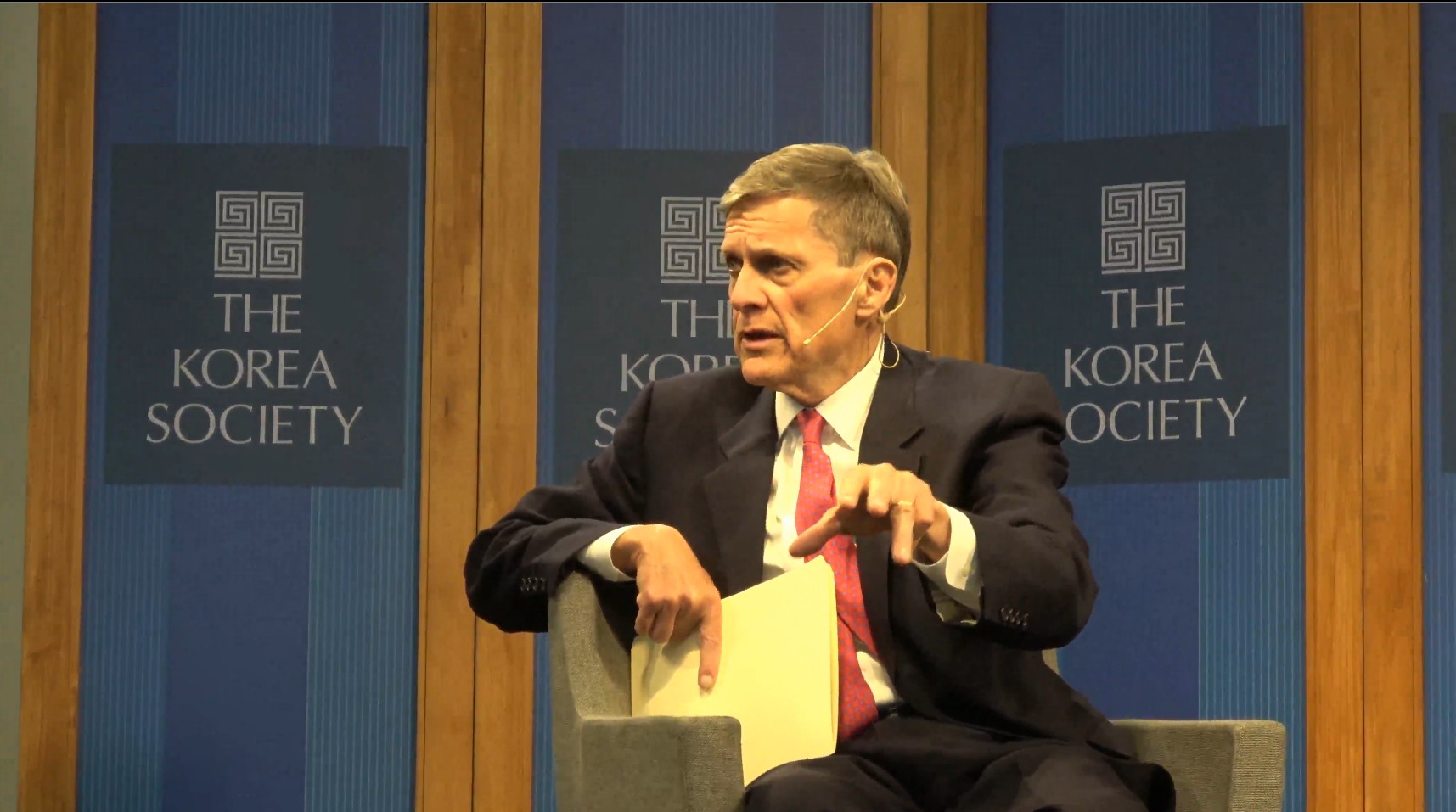
Dr. Brewer said that Grossi has long dealt with matters related to nuclear oversight, verification mechanisms, and IAEA procedures. From the perspective of technical experience, he said, Grossi’s background “would be very interesting.” He also noted that other potential candidates may not have similar technical experience in the nuclear field, but the UN system and the IAEA themselves possess substantial professional expertise, which a future Secretary-General could rely on to advance these issues.
On the issue of UN reform, Dr. Brewer said he did not have many specific comments, but he hoped to see the UN General Assembly play a more active role in matters of international peace and security. He said that, given the current lack of consensus among the permanent members of the Security Council, the General Assembly may become an important platform for moving such issues forward.
An audience member asked whether the UN Security Council had become ineffective in name only, or whether its authority was declining, especially in the context of some veto-wielding countries no longer supporting sanctions against North Korea, and how the Security Council could continue to play its role.
In response, Dr. Brewer said that the Security Council still plays an important role in today’s international system because it remains the core institution through which the international community addresses issues of peace and security. He said the existence of the five permanent members makes Security Council decision-making complex, and that current divisions may be temporary, or they may last for some time.
He further noted that if the five permanent members of the Security Council are unable to reach consensus, the UN General Assembly may be able to play a more active role to some extent. He mentioned that after the work of the UN Panel of Experts on North Korea came to an end, there had been discussions about establishing some kind of alternative mechanism to continue sanctions monitoring, but those ideas ultimately did not make substantive progress. He said he would like to see the General Assembly play a greater role in such matters, particularly when the Security Council is unable to provide unified leadership, by encouraging broader participation among UN member states.
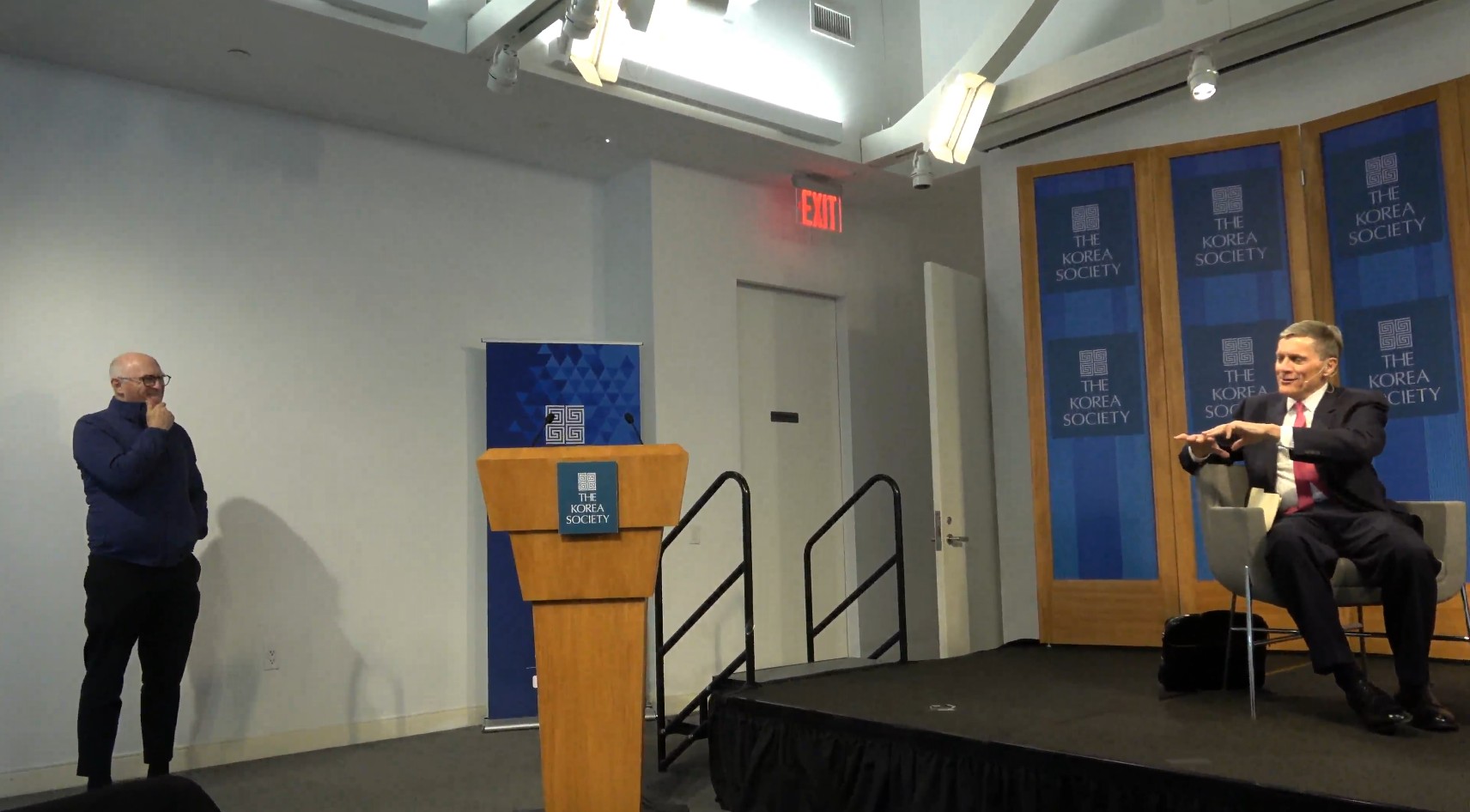
Another audience member asked what role middle powers such as Australia, India, and Japan might play in multilateral sanctions monitoring, and whether Taiwan had any intention of participating. Dr. Brewer said that, if referring to existing multilateral sanctions monitoring mechanisms, Taiwan and India are not members of those mechanisms. He also said he was not aware of whether India or Taiwan had any specific plans to join such mechanisms or establish alternative arrangements.
However, he pointed out that countries such as India have significant influence in the UN General Assembly and may be able to help build momentum for alternative sanctions monitoring mechanisms, providing new impetus for sanctions implementation and oversight within the UN system.
When discussing which think tanks conduct in-depth research on sanctions involving North Korea and Iran, Dr. Brewer mentioned that the Royal United Services Institute in London has long focused on sanctions-related issues. He also noted that the Open Source Centre in London is skilled at using open-source imagery and vessel-tracking data to analyze issues such as oil shipments to North Korea and shipping activities involving Russia.
He also mentioned that in Washington, several institutions continue to focus on sanctions, nuclear nonproliferation, and North Korea, including the James Martin Center for Nonproliferation Studies, the Center for a New American Security, the Center for Strategic and International Studies, and 38 North. He said that research capacity in this field is mainly concentrated in London and Washington, with relatively less work being done elsewhere. Some French strategic research institutions also work on sanctions, but overall, there are not many organizations worldwide that specialize in sanctions implementation and monitoring.
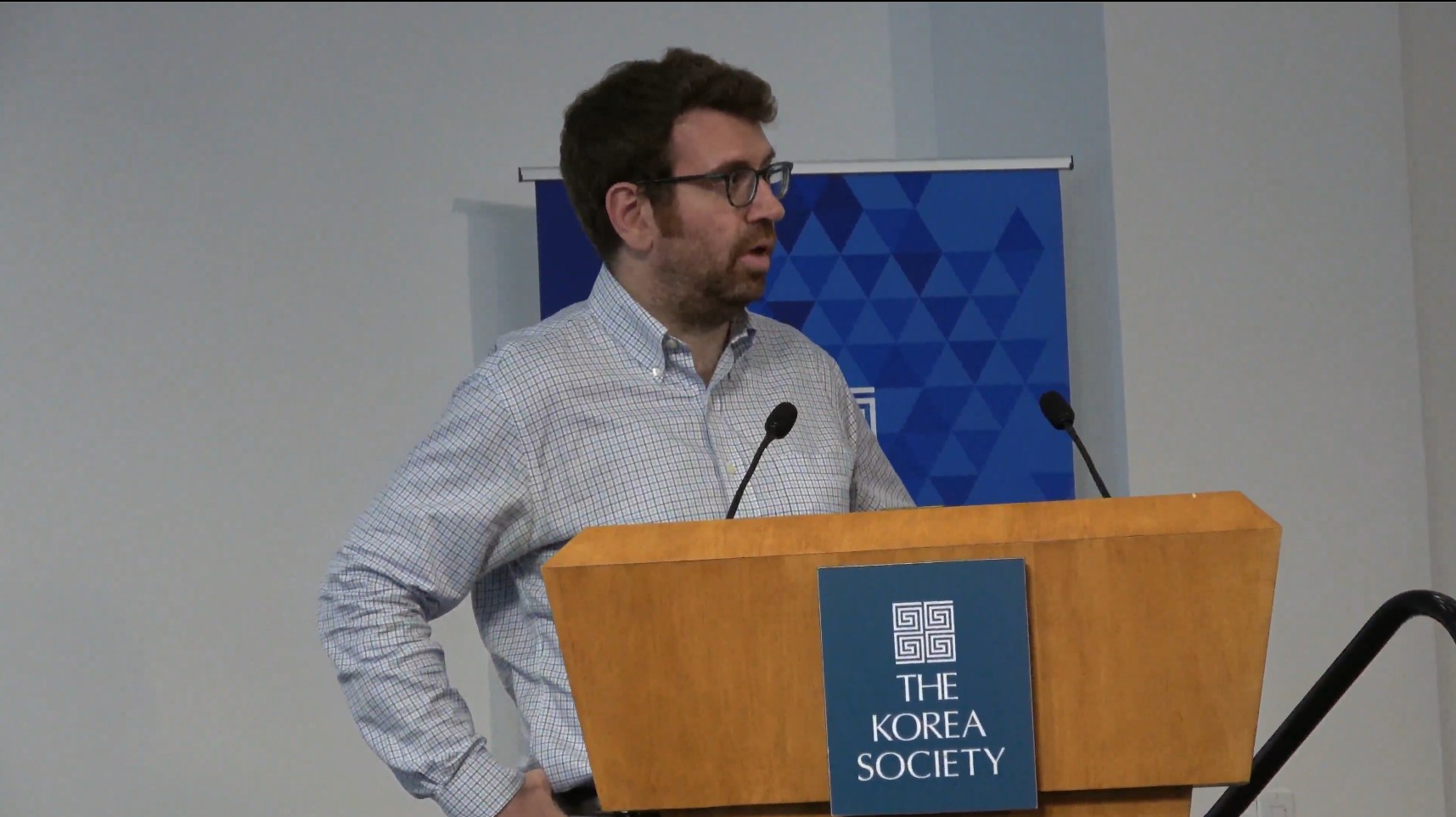
Regarding the relationship between U.S. unilateral sanctions and UN sanctions, an audience member noted that the U.S. Congress often turns to unilateral sanctions when it cannot find other policy tools, and asked whether this weakens the UN sanctions mechanism.
Dr. Brewer responded that unilateral sanctions are a reality that must be accepted. He said the strength of UN sanctions lies in the fact that they are collectively authorized through the Security Council. However, precisely because Security Council members must reach agreement, UN sanctions are usually set at a relatively low common standard. Many countries, after implementing Security Council sanctions, go further by adopting stricter national sanctions of their own.
He noted that the United States is particularly active in this regard and often cites Security Council sanctions as a basis within its own sanctions framework. For UN sanctions work, he said, when gathering evidence of sanctions evasion, the focus remains on Security Council sanctions themselves, rather than on sanctions imposed by the European Union or individual countries.
Dr. Brewer also said that, on the North Korea issue, both the UN mechanism and U.S. unilateral sanctions have played important roles. Because both parties in the U.S. Congress place strong emphasis on human rights in North Korea, there is a close connection between U.S. unilateral sanctions and humanitarian and human rights issues related to North Korea. He pointed out that if future denuclearization negotiations with North Korea involve sanctions relief, differences could emerge between Congress and the White House, because Congress would likely require North Korea to make major progress on humanitarian and human rights issues as one of the conditions for easing unilateral sanctions.
At the end of the Q&A session, Dr. Brewer addressed humanitarian issues. He said that Security Council sanctions documents usually mention humanitarian concerns in their preambular paragraphs, and that in recent years the UN has paid increasing attention to the humanitarian impact of sanctions implementation. The former Panel of Experts on North Korea had also dealt with such issues, and its reports usually included content related to humanitarian concerns. Questionnaires were also sent to relevant organizations in an effort to better understand the impact of sanctions on humanitarian assistance and practical implementation.
Dr. Brewer’s responses showed that, against the backdrop of divisions within the Security Council, challenges facing sanctions monitoring mechanisms, and the growing use of unilateral sanctions, how the UN maintains the authority, professionalism, and humanitarian balance of its sanctions system will remain an important issue in international security governance.
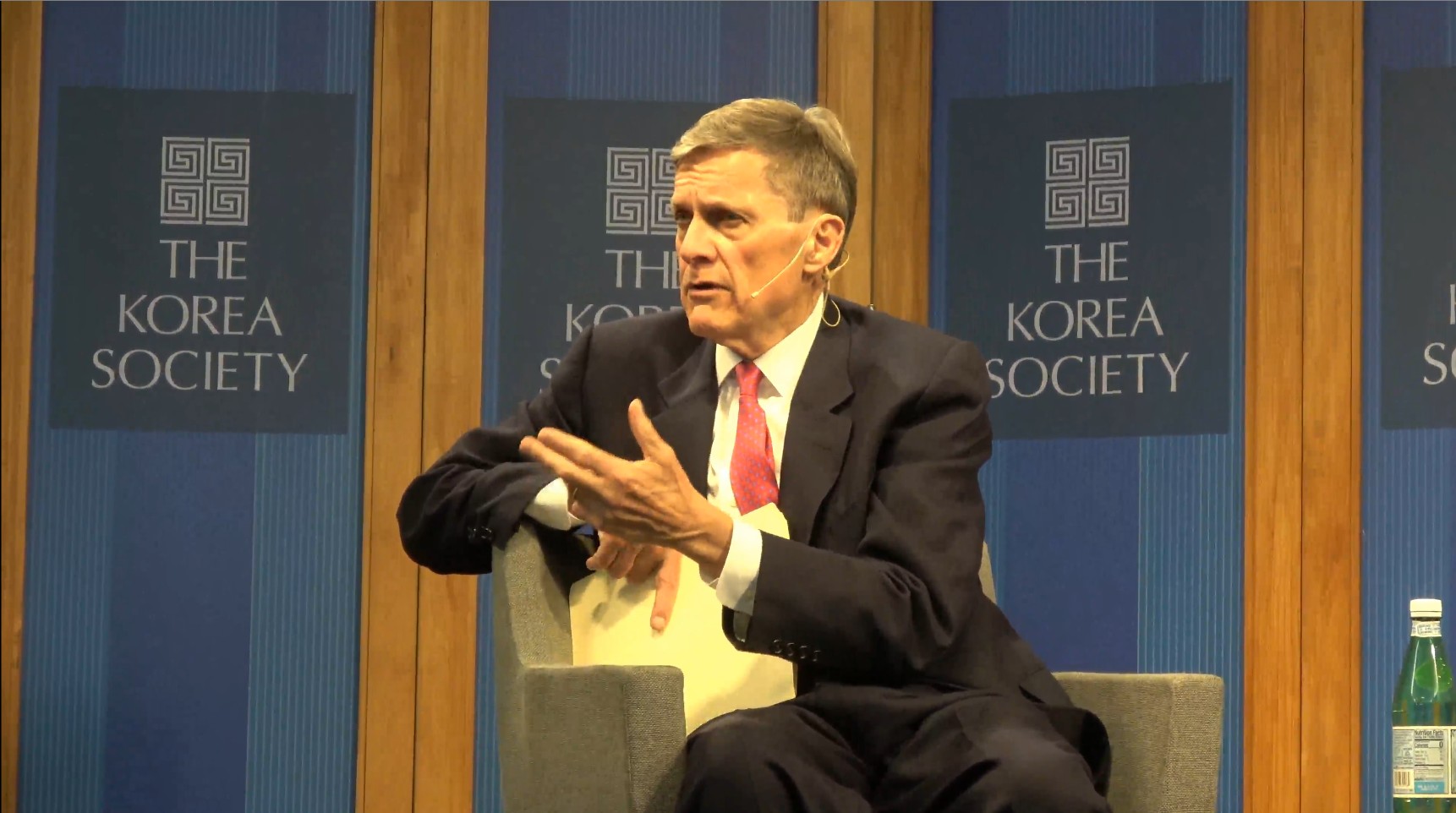
It is worth noting that Dr. Brewer’s analysis of the International Atomic Energy Agency, the Iran nuclear issue, and the UN sanctions mechanism also resonates with the recent signing of a U.S.-Iran agreement. After the U.S. President signed the relevant U.S.-Iran agreement, public attention has focused not only on whether the agreement can bring short-term de-escalation, but also on how verification, monitoring, sanctions relief, and accountability for violations will be implemented afterward.
From this perspective, the U.S.-Iran agreement is both a phased result of diplomatic negotiations and a test of the international system’s capacity for implementation. The Iran nuclear issue has long been complicated precisely because it involves not only political trust, but also highly specialized technical nuclear verification, IAEA access, the handling of enriched uranium stockpiles, the conditions for lifting sanctions, and differences among the parties in interpreting the agreement.
Dr. Brewer mentioned during the Q&A session that if Rafael Grossi, Director General of the International Atomic Energy Agency, were to become one of the candidates for the next UN Secretary-General, his technical background in handling nuclear issues would carry special significance. The recent U.S.-Iran agreement once again shows that, on the Iran nuclear issue, political commitments must be fulfilled through technical mechanisms; at the same time, technical mechanisms cannot function effectively without international political support. Therefore, the IAEA’s professional verification work, the authorization mechanism of the UN Security Council, and the possible supplementary political role of the UN General Assembly will together influence whether the agreement can truly be implemented.
This also gives greater practical significance to Dr. Brewer’s views on the role of the UN General Assembly. If the five permanent members of the Security Council find it difficult to form a stable consensus, whether the General Assembly can provide broader political support on issues of international peace and security will become an important question for future international governance. For the U.S.-Iran agreement to move from a “signed document” to an “enforceable arrangement,” it will require not only sustained political will from both the United States and Iran, but also a transparent, credible, and verifiable oversight framework provided by international institutions.
From the perspective of sanctions, the U.S.-Iran agreement also highlights the tension between UN sanctions and U.S. unilateral sanctions. UN sanctions are usually built on multilateral consensus and tend to be more cautious in standard-setting, while U.S. unilateral sanctions are often more flexible as a policy tool and more forceful as a means of political pressure. After the agreement is signed, whether sanctions are eased, when they are eased, and under what conditions they are eased will directly affect the credibility of the agreement. If sanctions relief comes too quickly, it may raise security concerns; if it comes too slowly, it may weaken Iran’s incentive to comply. This is precisely the practical dilemma described by Dr. Brewer: multilateral sanctions, unilateral sanctions, and diplomatic negotiations can reinforce one another, but they can also constrain one another.
Therefore, the recent U.S.-Iran agreement has not ended the Iran nuclear issue; rather, it has opened a more complex phase of implementation. It reminds the international community that the truly difficult part is often not reaching a framework agreement, but establishing a verifiable, sustainable, and enforceable mechanism in an environment of limited trust. Dr. Brewer’s analysis also shows that the future interaction among the UN Secretary-General, the International Atomic Energy Agency, the Security Council, the General Assembly, and major countries will continue to profoundly shape the development of nuclear proliferation and sanctions issues involving Iran, North Korea, and beyond.