

Celebrity Media News Commentary: The Selection of the Next UN Secretary-General Enters the Real Stage of Political Negotiation
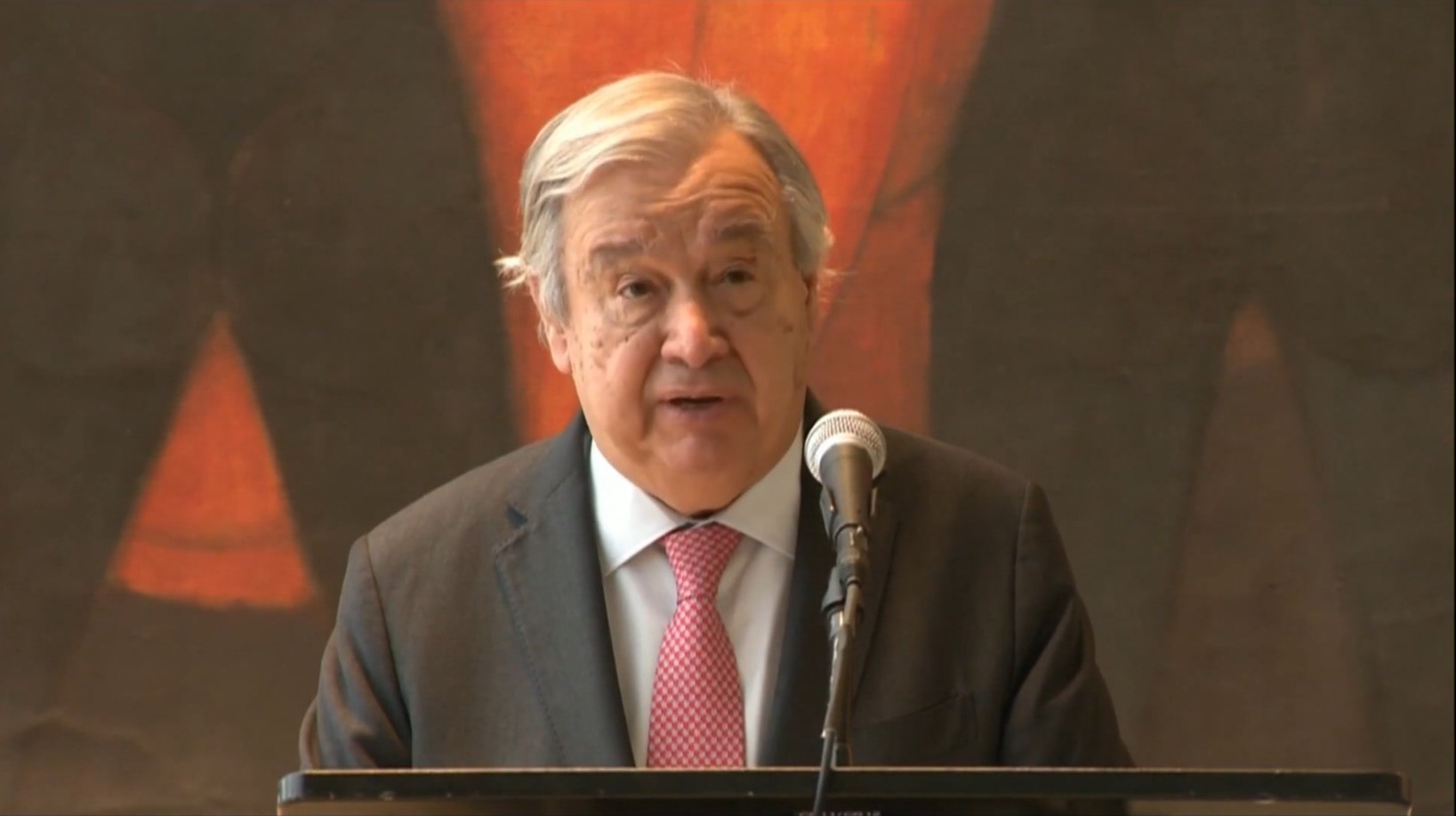 UN Secretary-General António Guterres (Celebrity Media file photo). He will step down in 2026 after completing two terms as Secretary-General.
The selection of the next United Nations Secretary-General has moved beyond the launch of procedures and entered a more substantive stage of public scrutiny. Following the first round of interactive dialogues with candidates on April 21 and 22, a second round of hearings was held on June 15 and 18. At present, six individuals nominated or supported by Member States have come into public view: former President of Chile Michelle Bachelet, Argentine Director General of the International Atomic Energy Agency Rafael Grossi, former Vice President of Costa Rica Rebeca Grynspan, former President of Senegal Macky Sall, former Foreign Minister of Ecuador and former President of the UN General Assembly María Fernanda Espinosa, and Guyana’s Permanent Representative to the United Nations Carolyn Rodrigues-Birkett.
On the surface, this is a process in which candidates publicly present their visions and respond to questions from Member States and civil society. But after two rounds of hearings, what truly deserves attention is not who appeared more composed at the podium, but who can find the minimum level of consensus among the five permanent members of the Security Council. The UN Secretary-General is not chosen through a public election. The candidate must first be recommended by the Security Council and then appointed by the General Assembly. In other words, public hearings allow the world to see the candidates, but closed-door consultations determine who truly has a chance to reach the final stage.
The Six Candidates
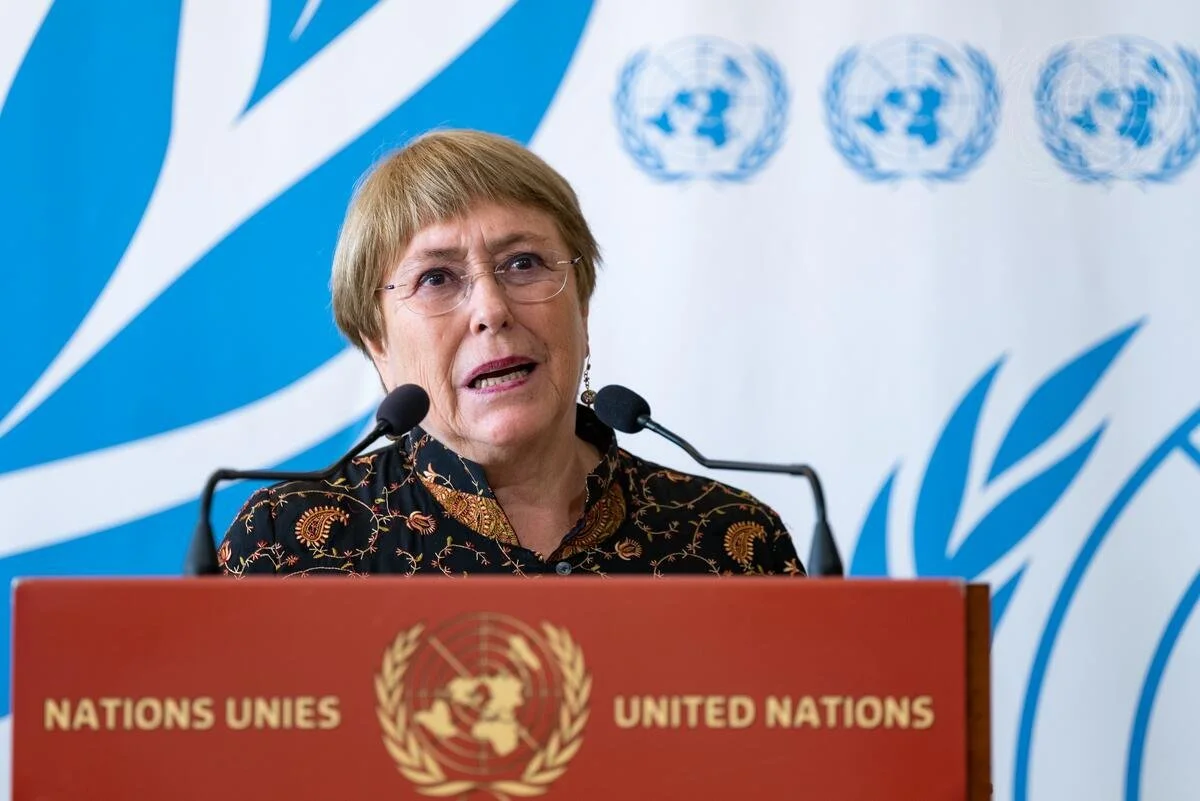
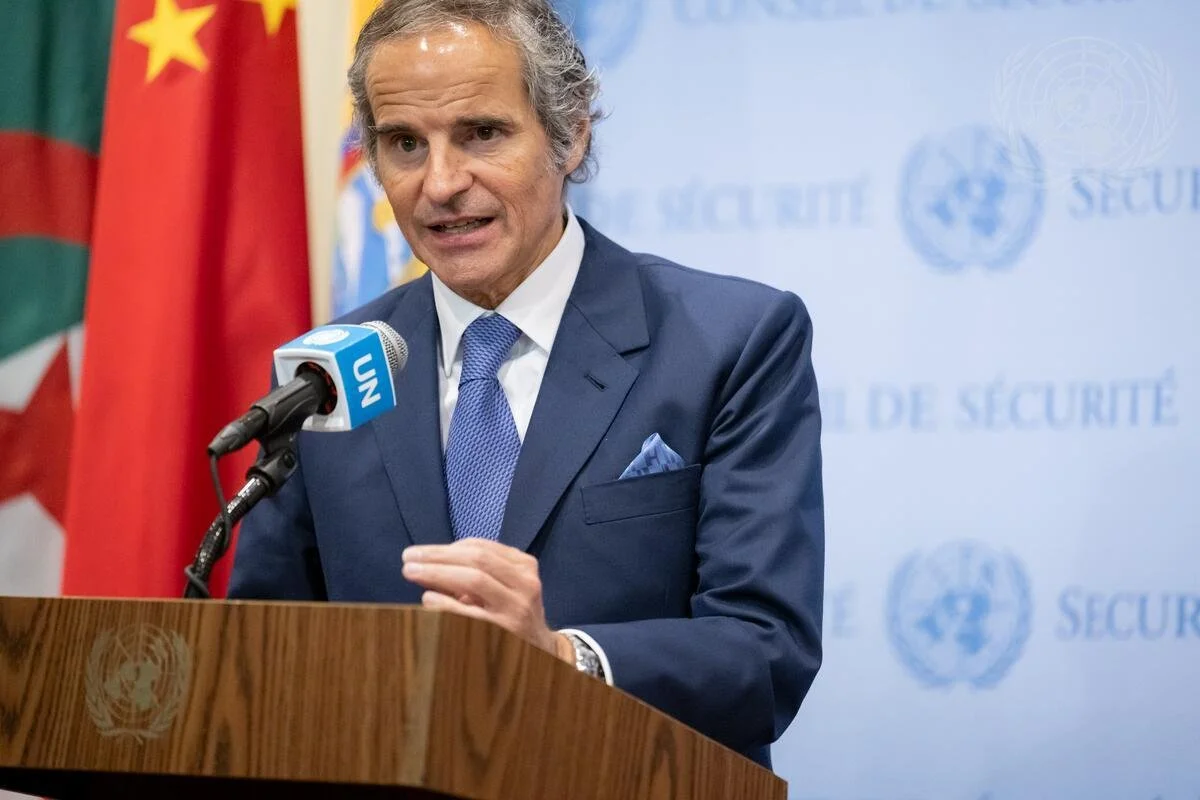
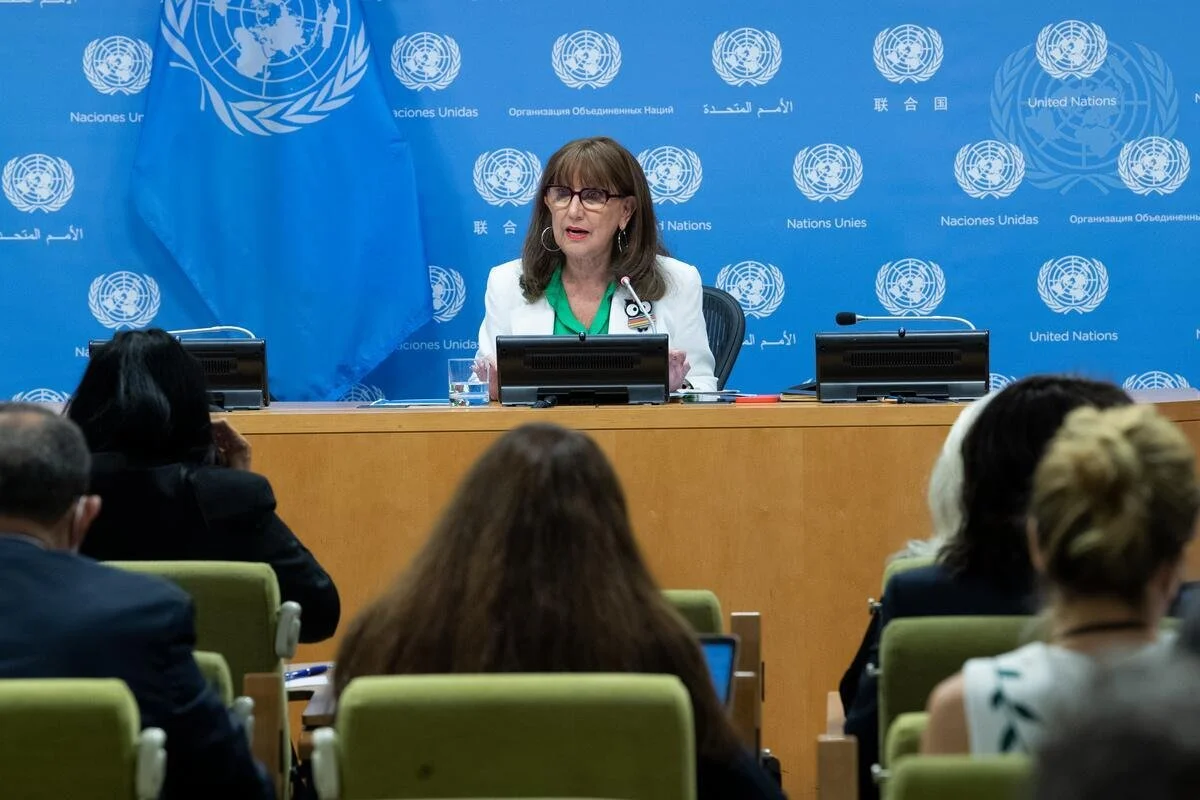

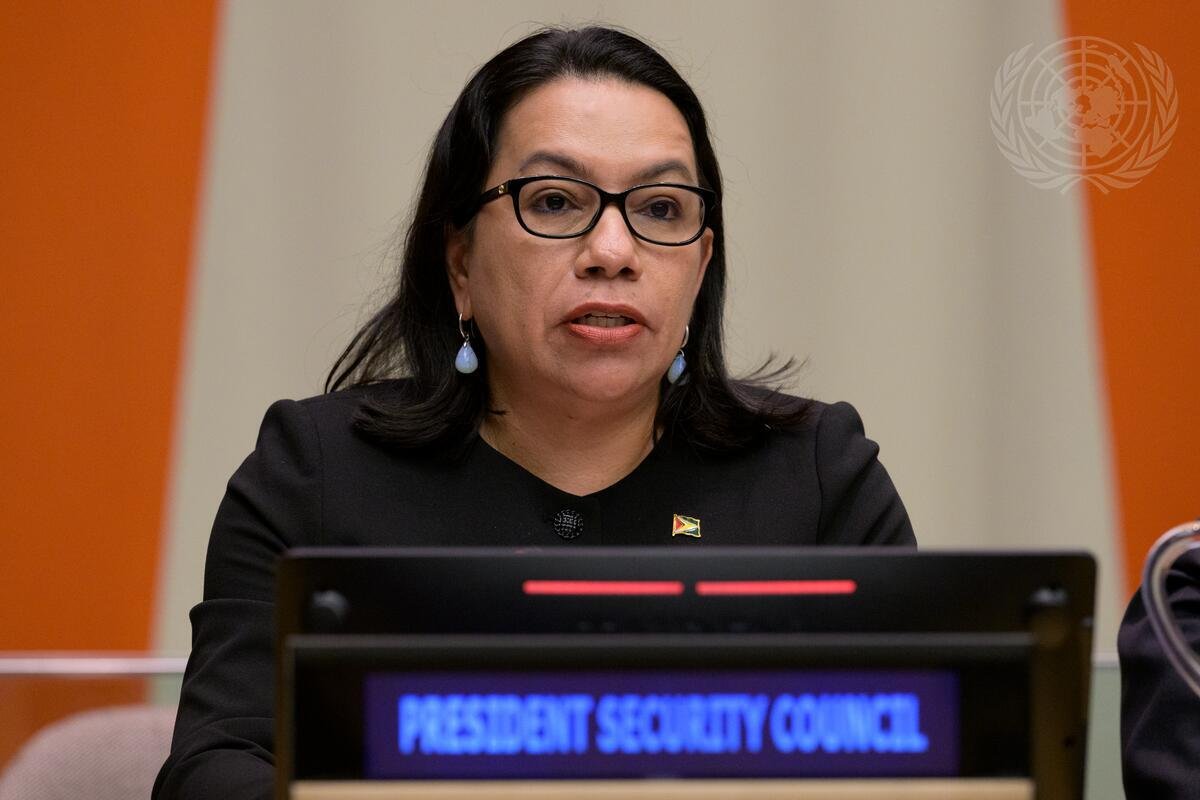
The six candidates come from different backgrounds. Some have experience as heads of state, some have long worked within the United Nations system, and others come from the fields of nuclear security, trade and development, human rights diplomacy, or small-state multilateral diplomacy. Yet almost all of them are speaking about the same issue: reforming the United Nations. That alone says a great deal. Today’s United Nations does not lack issues; it often lacks the ability to implement decisions. It does not lack principles, but when major powers are divided, it struggles to turn principles into action. Whether on war, refugees, climate, development financing, or human rights, the United Nations faces the same question: can it still truly function?
This is also the most realistic aspect of this selection process. Candidates can speak about vision, values, and reform in public hearings, but the real difficulty of the Secretary-General’s position is not proposing slogans. It is maintaining the UN’s most basic capacity for action in a deeply divided international environment. Especially when the five permanent members of the Security Council are sharply divided, the Secretary-General can neither replace major-power decision-making nor completely avoid major-power politics.
Looking at the current field of candidates, Latin America and the Caribbean have a particularly strong presence. Among the six candidates, Bachelet, Grossi, Grynspan, Espinosa, and Rodrigues-Birkett all come from Latin America or the Caribbean, while only Sall comes from Africa. The United Nations has no written rule requiring the Secretary-General to be chosen by regional rotation, but regional balance has long been an important political consideration. The large number of Latin American candidates shows that the region has significant momentum in this round of selection; however, too many candidates may also lead to divided support.
Sall represents another possible political path. As former President of Senegal and former Chairperson of the African Union, he has head-of-state experience and can also respond to Africa’s demand for greater representation. His current weakness, however, is that his nomination does not appear to show unified endorsement at the level of the entire African Union. If Latin American candidates fail to form a consensus among themselves, and African countries can consolidate a more unified position, Sall may still become an important variable in later consultations.
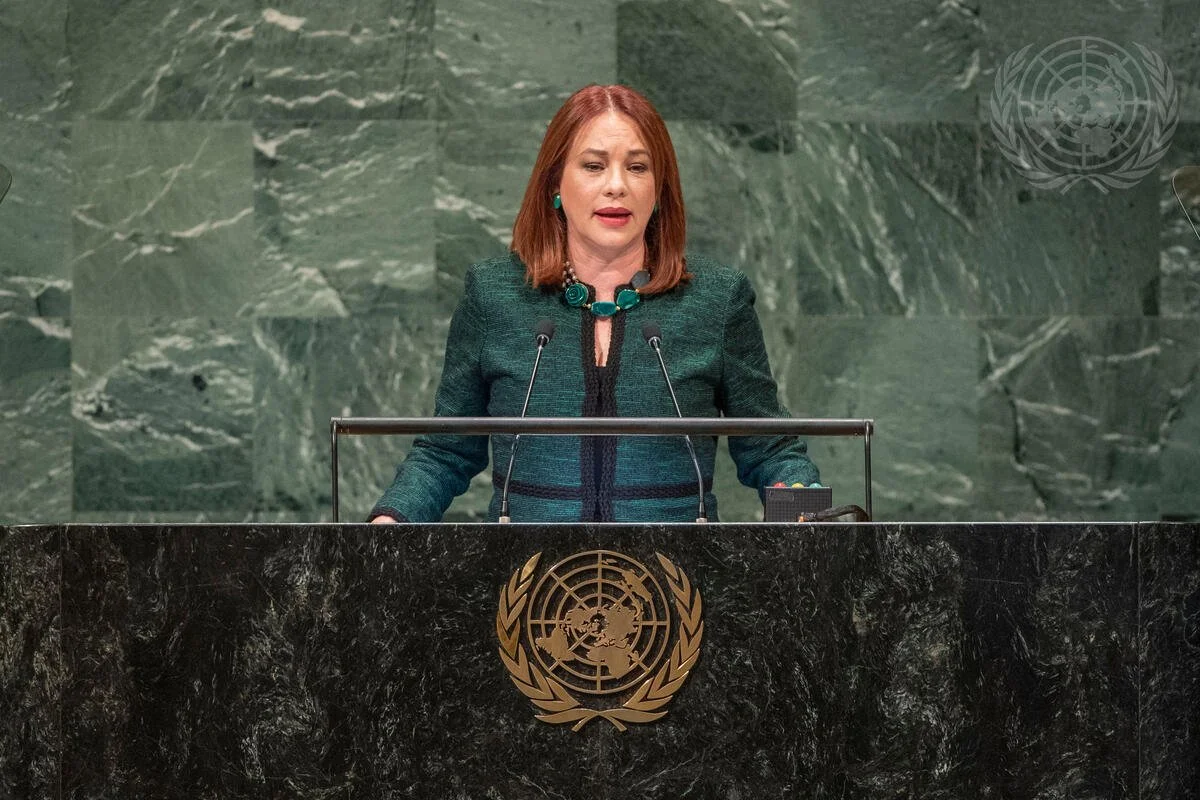
Among all the candidates, María Fernanda Espinosa’s remarks are especially noteworthy. She stated that the United Nations needs to “right-size responsibly.” The phrase may sound sharp and could even be understood as a call to shrink the UN. But viewed in the context of her overall remarks, what she is expressing is not the weakening of the United Nations, but the need to free it from duplication, delay, and inefficiency so that it can return to a position where it is able to deliver results.
Secretary-General Candidate María Fernanda Espinosa: Reforming the United Nations, but Not Weakening It
Espinosa has served as Ecuador’s Foreign Minister and Defense Minister, and also as President of the United Nations General Assembly. Precisely because she is familiar with the UN system, her remarks on reform sound less like complaints from an outside critic and more like reflection from within the institution. She did not avoid the declining credibility, financial pressure, and weak implementation capacity the United Nations currently faces, nor did she reduce reform to an empty slogan. What she emphasized was reducing duplication, improving efficiency, strengthening accountability, and restoring the UN’s ability to deliver results.
The subtlety of her remarks lies in her attempt to address two different concerns at the same time. For major financial contributors, the size of the UN system, overlapping programs, and high costs have long been points of criticism. For many developing countries, however, there is concern that so-called reform may ultimately become a reduction of resources, a weakening of the development agenda, or even make the United Nations more subject to the influence of a few major powers. Espinosa’s formulation seeks a path between these two concerns: the United Nations must become more effective, but it must not lose the core mission of multilateralism as a result.
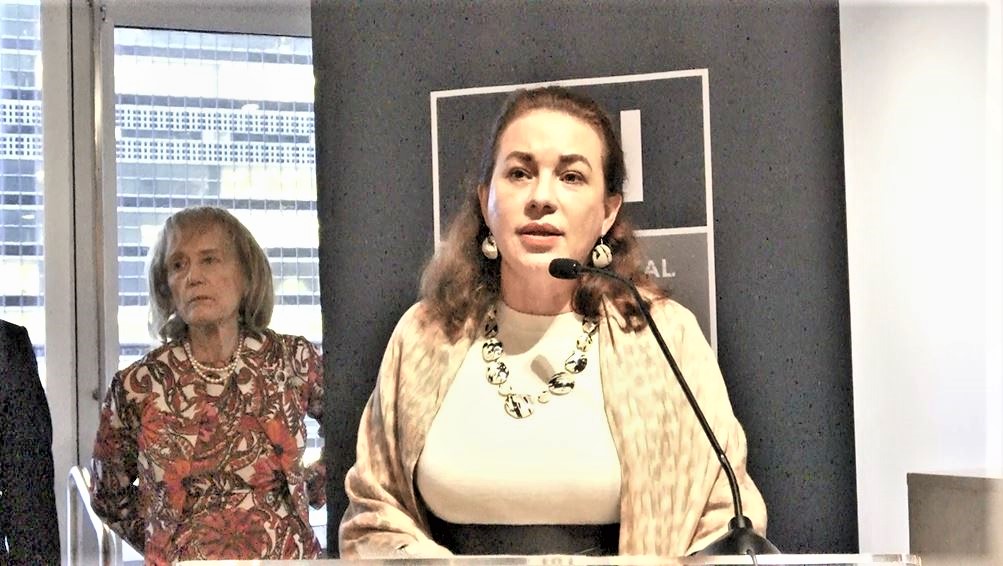 María Fernanda Espinosa, photographed by Celebrity Media at IPI on September 12, 2018.
Her handling of the issue of women’s leadership is also quite careful. In more than 80 years since the founding of the United Nations, no woman has ever served as Secretary-General. Today, four of the six candidates are women, which is already symbolically significant. Espinosa also acknowledged that the international community has indeed reached a point where it should seriously consider women’s leadership. At the same time, however, she stressed that the key is not “any woman,” but “the right woman, the right leader.” In effect, this statement tells Member States and the Security Council that she wants to be seen as a candidate with governing capacity, not merely as a historical symbol.
This is exactly where the complexity of this selection process lies. The United Nations may indeed have reached the moment to choose its first female Secretary-General, and Latin America and the Caribbean clearly hold an advantage in the structure of the candidate field. But the selection of a Secretary-General has never been determined by moral appeals, regional rotation, or personal credentials alone. Whether a candidate can ultimately pass the test still depends on whether he or she can be accepted simultaneously by the United States, China, Russia, the United Kingdom, and France.
Bachelet’s situation illustrates this point. She has heavyweight credentials as a former president and former UN High Commissioner for Human Rights, and she also enjoys high international recognition. But the heavier the political profile, the more controversy it may bring. Human rights issues are inherently sensitive for major powers, especially when a candidate’s past public positions are reexamined by different blocs. What appears to be an advantage may also become a burden.
Grossi represents another type of candidate. He has long led the International Atomic Energy Agency and has had high visibility on issues such as the Iran nuclear file and the safety of nuclear facilities in Ukraine. His strengths are technocratic governance and crisis diplomacy, and his image is relatively pragmatic. But the UN Secretary-General must handle not only technical issues, but also development, human rights, climate, refugees, and the demands of the Global South. Whether a more technocratic candidate can build trust across a broader political agenda remains to be seen.
Grynspan’s strengths lie in development, trade, and Global South economic issues. She has long focused on development financing, economic inequality, and trade structures. For many developing countries, these issues are more closely connected to reality than abstract institutional reform. The question is whether, in an environment marked by major-power conflict and acute security crises, a development-oriented candidate can be regarded as capable of handling high-intensity political crises. This will also be part of the Security Council’s consideration.
Rodrigues-Birkett appears as a representative of small-state diplomacy and a defender of multilateralism. She emphasized the shared responsibility to preserve the United Nations as a “global force for good.” This formulation is relatively steady and may resonate with some small and medium-sized states. However, in the final screening of major-power politics, moderation does not necessarily equal advantage. Sometimes it means a candidate is easier to accept; at other times, it may suggest a lack of a distinctive breakthrough point.
Therefore, what this selection process is now entering is not merely a phase of public presentation by the candidates, but a phase of political screening within the Security Council. Public hearings have increased transparency and allowed Member States and the international public to observe the candidates’ ideas and styles. But what will truly determine the outcome is whether different parties can form a minimum political compromise around one candidate.
The test facing the next Secretary-General is also clear: he or she must not only manage a vast international institution, but also preserve the UN’s minimum capacity for action in a divided world. It is easy for reforming the United Nations to become a slogan. The real challenge is to make the UN effective, credible, and relevant again without weakening multilateralism.
After two rounds of hearings, all six candidates have tried to prove that they understand today’s crises and have the ability to advance UN reform. But from this point forward, the focus of the selection process will increasingly move away from public speeches themselves and toward the judgments, probing, and bargaining among major powers. Whether the next Secretary-General can change the United Nations first depends on whether he or she can be accepted by a deeply divided international system.
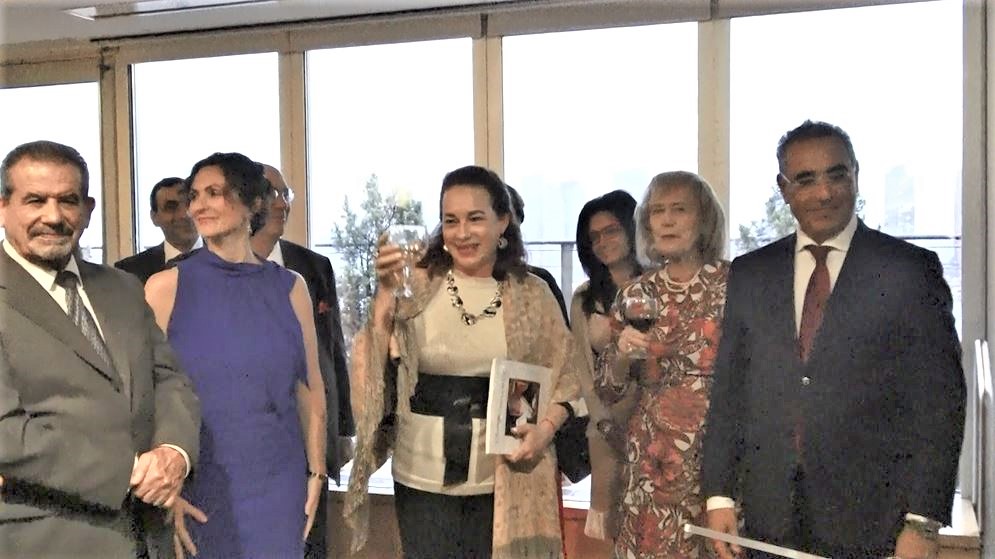 Celebrity Media file photo.