

The selection process for the next Secretary-General of the United Nations is entering a critical stage.
Baa baa baa baa baa baa baa baa?
On August 21, the United Nations Security Council held its second round of informal straw polling. Guyanese candidate Carolyn Rodrigues-Birkett received 8 “encourage” votes, placing her provisionally in first place; Costa Rica’s Rebeca Grynspan and Argentina’s Rafael Grossi each received 7 “encourage” votes, following closely behind.
On the surface, the shape of the competition appears to be gradually becoming clearer. But it would still be premature to conclude that the next UN Secretary-General will most likely emerge from among these current frontrunners.
The reason is that what ultimately determines the outcome of this selection process is not who temporarily ranks first, but who can ultimately become acceptable to the Security Council—especially to all five permanent members. In the second round of voting, the ballots cast by the five permanent members and the other 10 Security Council members were still not differentiated, so the public does not currently know whether any of the “discourage” votes received by candidates already include a potential veto from one of the permanent members.
Therefore, the question truly worth watching today may not be: Who is leading among the eight candidates? Rather, it is: If none of the eight can ultimately generate consensus, could a ninth candidate emerge?
Celebrity Media proposed as early as before November 2025 that the United Nations should have a female Secretary-General
In fact, as early as November last year, when the selection of the next UN Secretary-General had just begun attracting international attention, Celebrity Media put forward a clear proposal: At this historic moment, we hope the United Nations will choose the first female Secretary-General since the organization was founded.
This is not simply a slogan in pursuit of “political correctness.” The United Nations has existed for more than 80 years, yet the position of Secretary-General has never been held by a woman. Historical information published by the United Nations itself also clearly states that the organization has never had a female Secretary-General.
The composition of this year’s field of candidates itself also shows that this issue is no longer merely a symbolic discussion.
Among the eight currently declared candidates are several women, including Carolyn Rodrigues-Birkett, Rebeca Grynspan, Michelle Bachelet, María Fernanda Espinosa, and Ivonne A-Baki. In the second round of straw polling, Rodrigues-Birkett and Grynspan, currently in first and second place respectively, are also both women.
Therefore, whether the United Nations will choose a female Secretary-General for the first time in 2026 has become a realistic and concrete possibility in this selection process rather than a distant political aspiration. But Celebrity Media is also focusing on another question: What if the first female Secretary-General ultimately chosen is not among these eight candidates?Eight people competing does not mean the field is already closed
First, it is necessary to clarify how the UN Secretary-General is selected.
Under Article 97 of the Charter of the United Nations, the Secretary-General is appointed by the General Assembly upon the recommendation of the Security Council. In other words, although the General Assembly formally completes the appointment, it is the Security Council that effectively determines who can reach the final stage.
The Security Council has 15 members. A candidate ultimately needs not only sufficient support, but more importantly must avoid a veto from any of the five permanent members: the United States, China, Russia, the United Kingdom, and France.
This means that the selection of the UN Secretary-General has never been a conventional “democratic election.” A candidate may enjoy the support of many member states, perform impressively in public debates, or rank first in the early rounds of straw polling, but if that candidate cannot overcome the threshold posed by any one of the five permanent members in the final stage, an early lead may become meaningless.
The current results demonstrate precisely that such a consensus has not yet been reached.
In the second round, frontrunner Rodrigues-Birkett received 8 “encourage” votes, while Grynspan and Grossi each received 7. No candidate has demonstrated an overwhelming advantage, and the true positions of the five permanent members remain undisclosed. The selection process could continue into September or even October.
More importantly, these eight candidates were not a fixed group from the beginning.
Uganda’s Olara Otunnu was nominated only on July 24 and entered the first round of straw polling, while the current eighth candidate, Ivonne A-Baki, was nominated as late as August 17. She did not even participate in the first round of straw polling held on July 30. The selection rules published by the United Nations also allow member states to continue submitting new candidates after the original nomination deadline.
In other words: “There are currently eight candidates” and “the final choice must come from these eight candidates” are two entirely different propositions. In fact, before the second round of voting, Russia’s Permanent Representative to the United Nations, Vasily Nebenzya, publicly stated that if the existing candidates became deadlocked and none could emerge, other candidates might still appear.
This is also why Celebrity Media believes it remains worthwhile to look beyond the current eight.
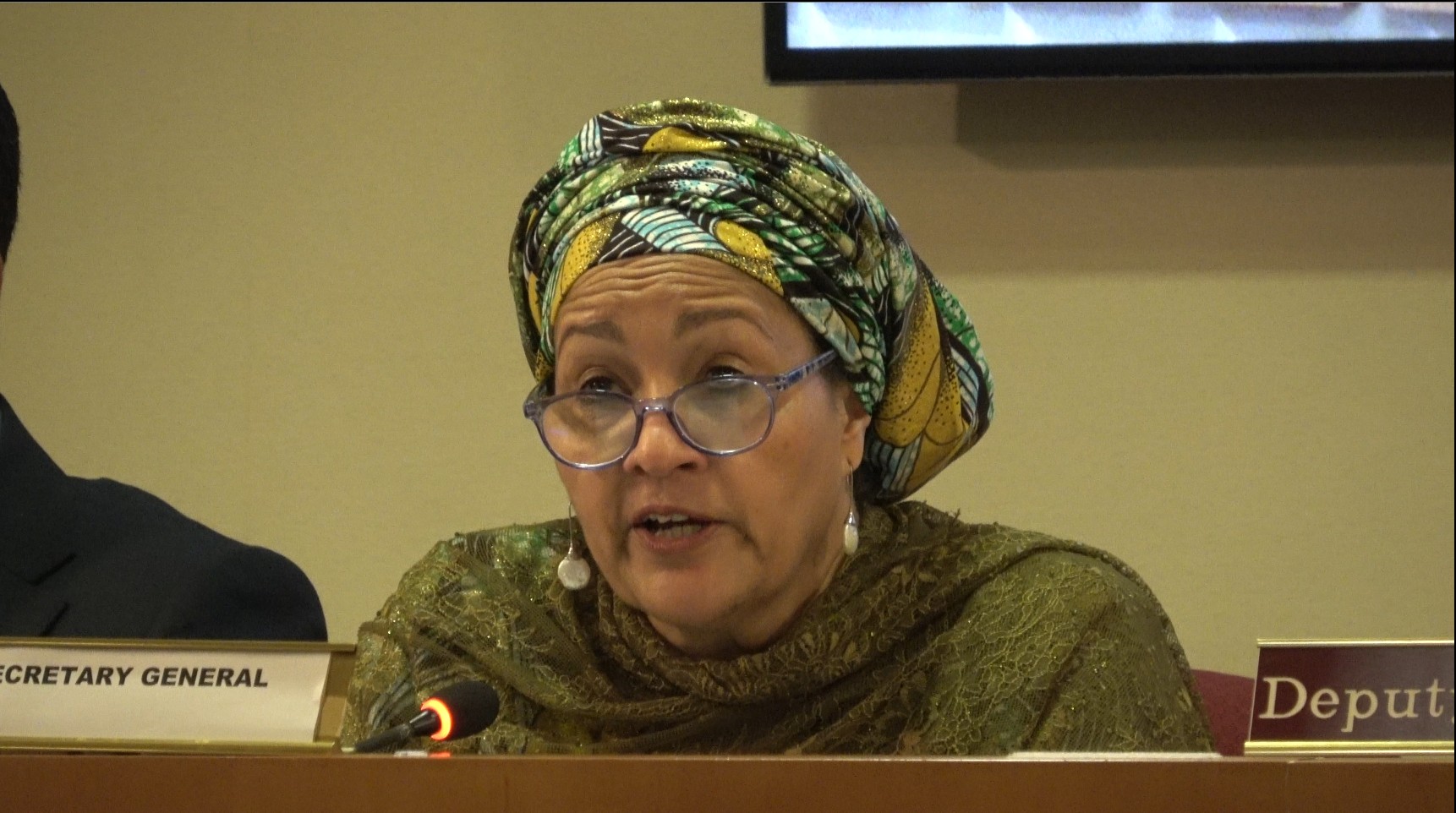
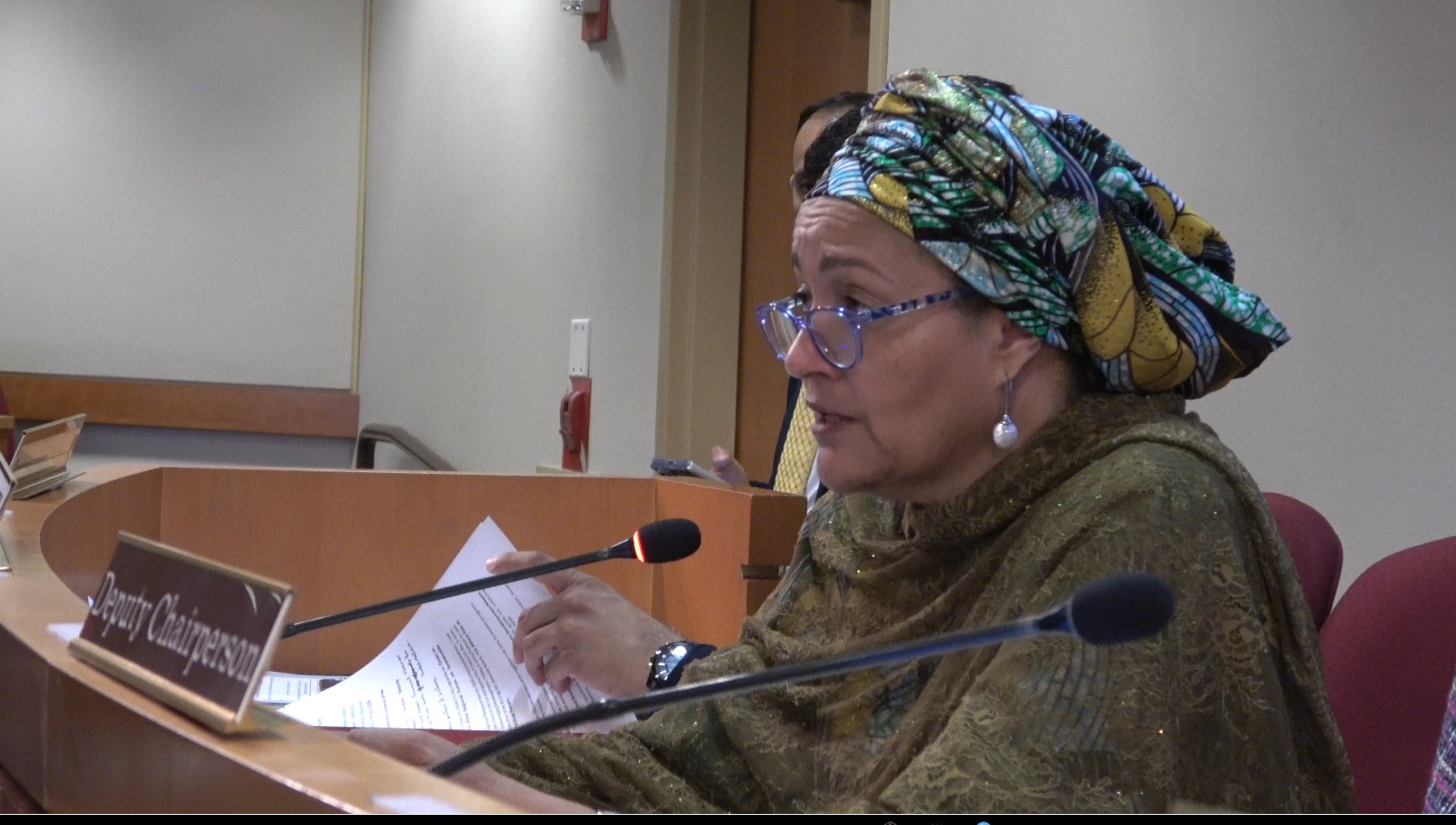
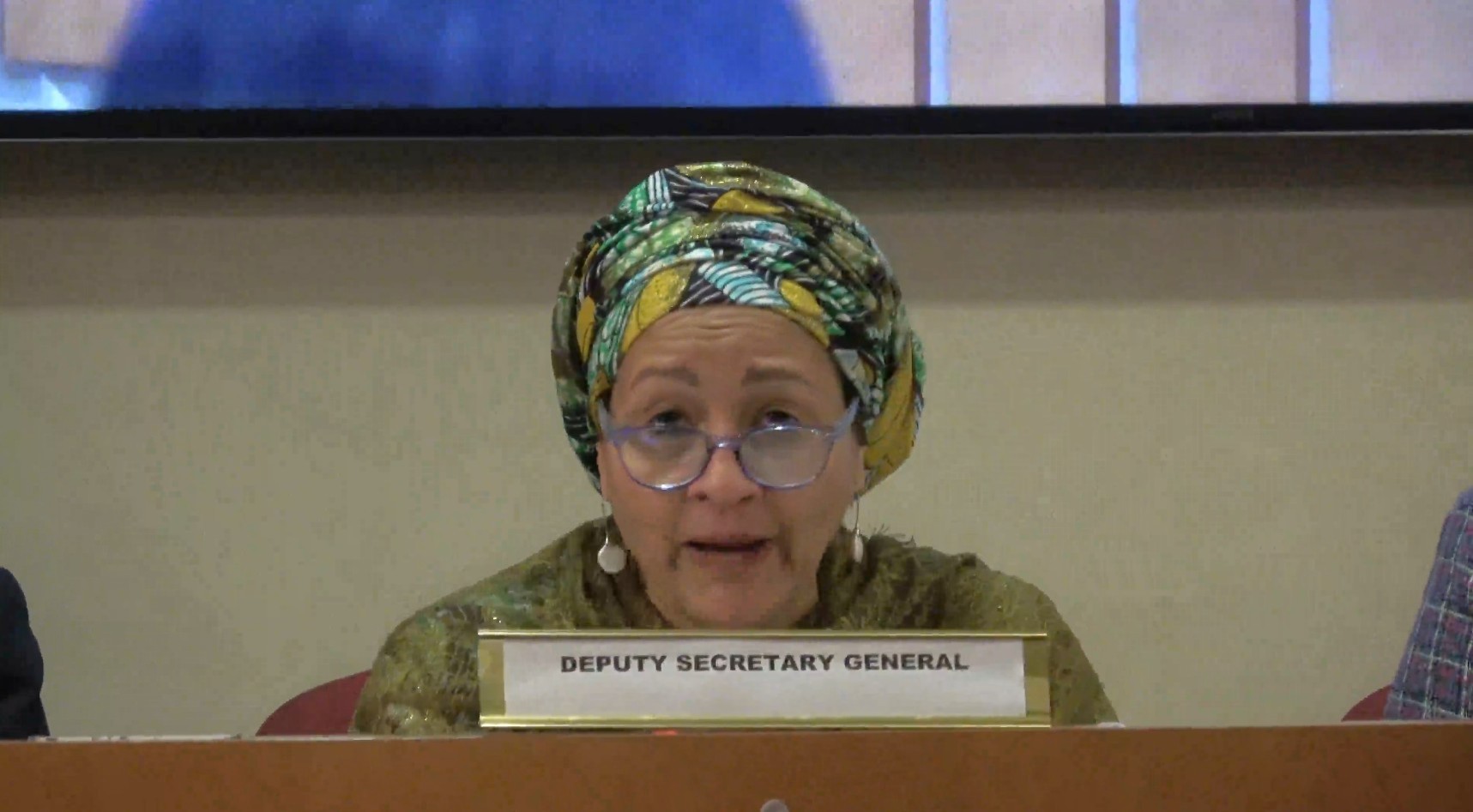
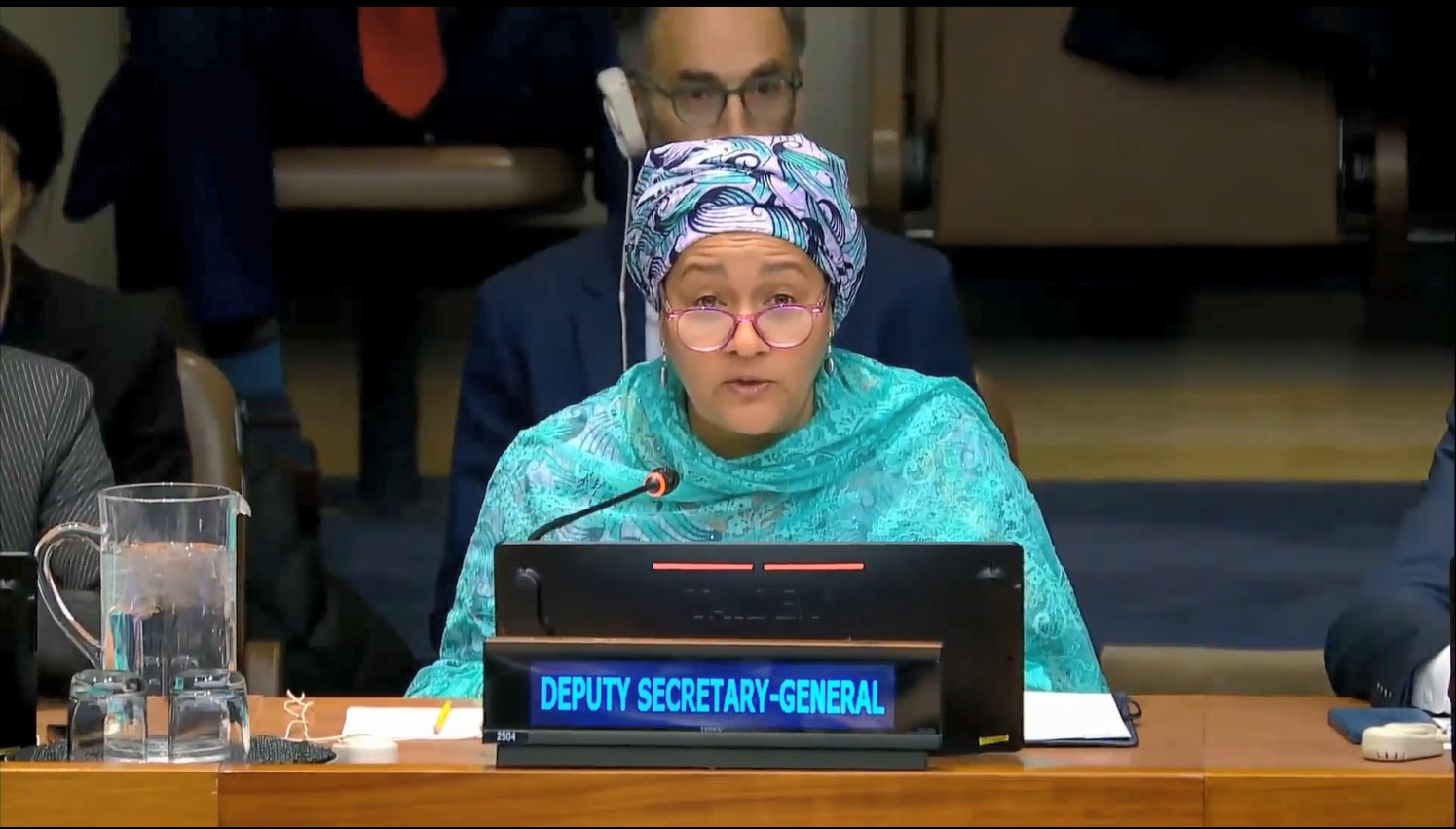
So why are we paying attention to Amina J. Mohammed? Among the potential figures who could emerge from outside the current field, one name that cannot easily be ignored is the current Deputy Secretary-General of the United Nations: Amina J. Mohammed. We are paying attention to her not because there is evidence that she is secretly campaigning. Quite the opposite: the publicly available facts show that she is not a candidate.
We are watching her primarily because her background is highly distinctive among potential “consensus candidates.” Amina Mohammed has served as Deputy Secretary-General of the United Nations since February 2017 and also serves as Chair of the United Nations Sustainable Development Group. Before joining the UN’s highest leadership level, she served as Nigeria’s Minister of Environment. Earlier, she was Special Adviser to then UN Secretary-General Ban Ki-moon and was directly involved in advancing the development of the 2030 Agenda for Sustainable Development and the Sustainable Development Goals (SDGs).
This means that for nearly a decade, she has operated at the highest levels of UN decision-making and management. She is familiar with the Office of the Secretary-General, understands the coordination mechanisms among UN agencies, and has long worked with national governments, international organizations, and global development institutions.
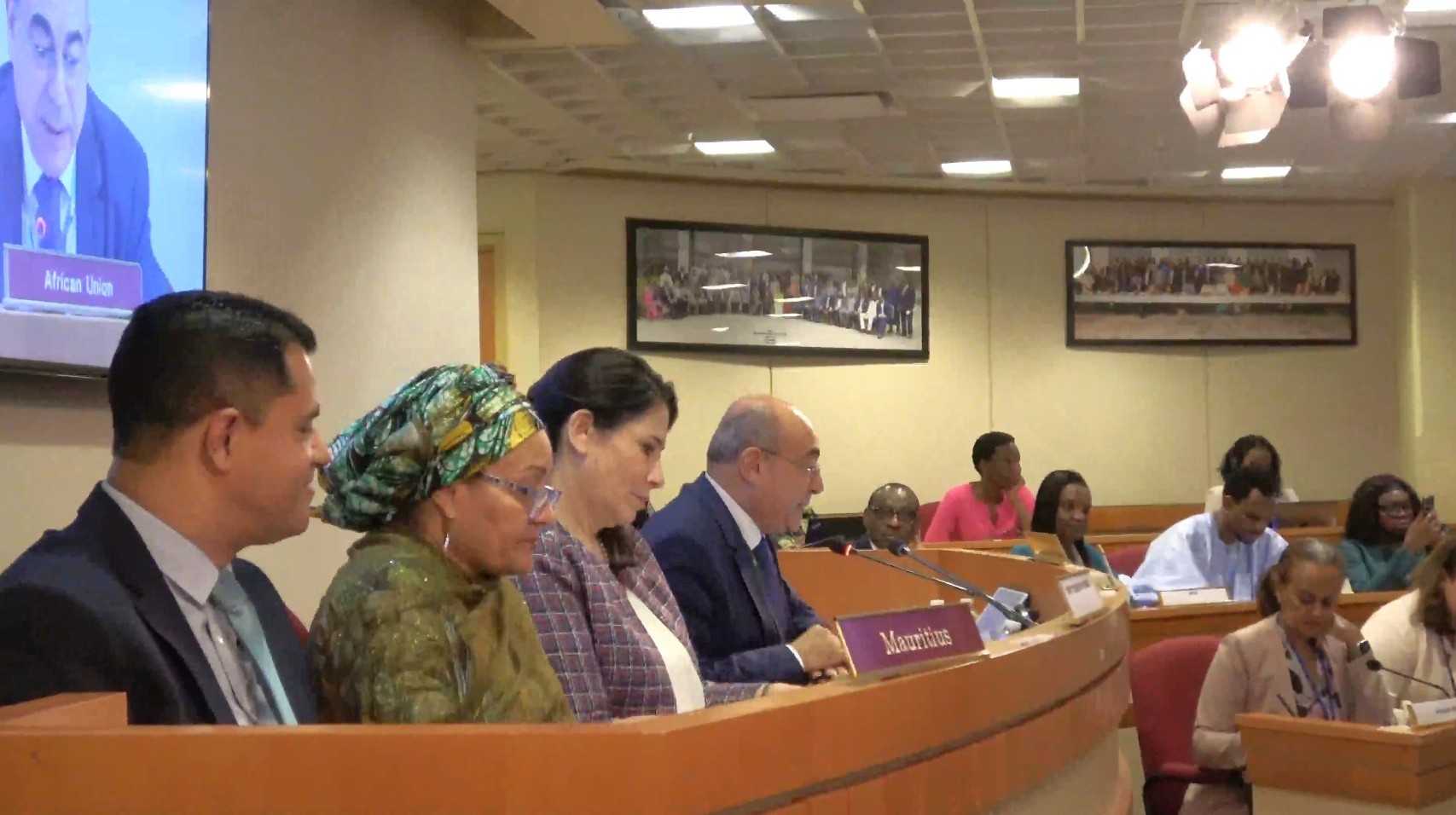
From the perspective of her political résumé, she carries several highly distinctive attributes: African background, female leadership, the Global South, senior UN management experience, sustainable development, climate and environmental policy, and extensive experience in multilateral cooperation.
In today’s international political environment, these characteristics are not insignificant.
The next UN Secretary-General will have to deal not only with the internal management of the United Nations, but also with a series of major challenges including the Russia-Ukraine war, conflict in the Middle East, security crises in Africa, climate change, the global North-South development gap, great-power competition, and the decline of the United Nations’ own credibility.
In a discussion published by the Financial Times on August 27 regarding the next UN Secretary-General, former UN official and historian Thant Myint-U noted that, given the United Nations’ declining influence and the divisions within the Security Council today, the next Secretary-General will particularly need political courage, composure, and strong diplomatic and mediation skills in order to reactivate the UN’s role as a mediator.
By this standard, Amina Mohammed has clear strengths: she possesses extensive experience at the core of the United Nations and has a strong record in global development and international cooperation.
However, she also has a significant issue that must be acknowledged: her public record in peace mediation, war settlement, and major security crises is not as prominent as her experience in development and UN governance.
Therefore, paying attention to her does not mean concluding that she already possesses every qualification necessary to become Secretary-General. This is precisely the distinction that must be maintained between political commentary and political “betting.”
The strongest evidence against such speculation is that she herself has clearly said, “I am not running”
Any discussion of Amina Mohammed must acknowledge one very important fact.
On July 7, at a press conference held at United Nations Headquarters, when a journalist directly asked whether she might run for the position of the next Secretary-General, she gave a very clear answer:
She is not a candidate and has no intention of becoming one.
She further stated that she supports the UN tradition of regional rotation for the position of Secretary-General, believes this cycle should produce a candidate from Latin America and the Caribbean, and hopes that the eventual choice will be a woman.
This statement effectively establishes a very clear factual boundary around all speculation concerning her. As of now, Amina Mohammed is not a candidate for UN Secretary-General.
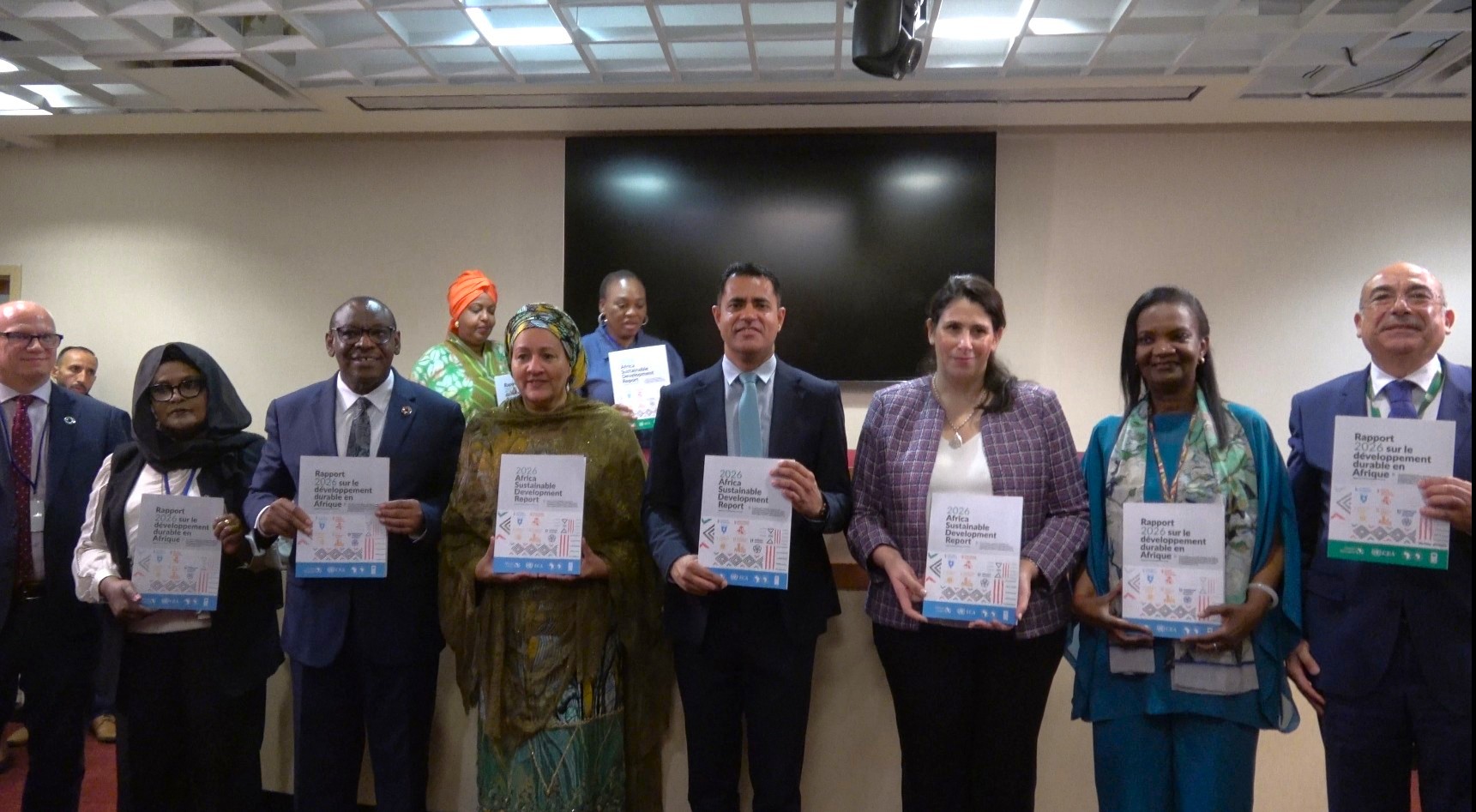
There is no evidence that she is campaigning. There is no evidence that she is seeking nomination by any country. Nor is there any public evidence proving that the United States, China, Russia, the United Kingdom, and France already regard her as a mutually acceptable candidate.
Therefore, describing her now as a “hidden candidate,” a “dark horse,” or even “the next Secretary-General” would go beyond what the existing evidence can support. Celebrity Media does not intend to do so.
If there are already several women among the eight candidates, why still look at Amina?
This is a question that must be answered. If Celebrity Media advocates for the United Nations to choose its first female Secretary-General, there are already several highly qualified women among the eight current candidates, and indeed the current frontrunners are women.
So why look beyond the official list?
The answer is: we are not asking whether “Amina is better than the other female candidates.” We are examining another political scenario that could emerge in the Secretary-General selection process.
If Rodrigues-Birkett, Grynspan, Bachelet, Espinosa, or any of the other candidates ultimately secures the required support in the Security Council while avoiding a veto from the five permanent members, then the question of candidates outside the current field will naturally become irrelevant.
But if future rounds of voting show that the leading candidates can secure support from ordinary members but cannot get past one particular permanent member; while other candidates may be acceptable to several major powers but cannot obtain enough Security Council support; and the parties continue rejecting candidates acceptable to one another without being able to agree on a mutually acceptable alternative—then the entire logic of the selection process could change.
At that point, the question may no longer be “Who currently ranks highest?” Instead, it could become:
Who is someone that no one necessarily prefers, but everyone can accept?
This is precisely the political value of a “consensus candidate” in the selection of the UN Secretary-General. And it is only under such a hypothetical scenario that Amina Mohammed—with many years of experience at the highest levels of the United Nations, roots in the Global South, and the symbolic significance of female leadership—becomes particularly worth watching. The key word is watching, not “predicting victory.” The two must not be confused.
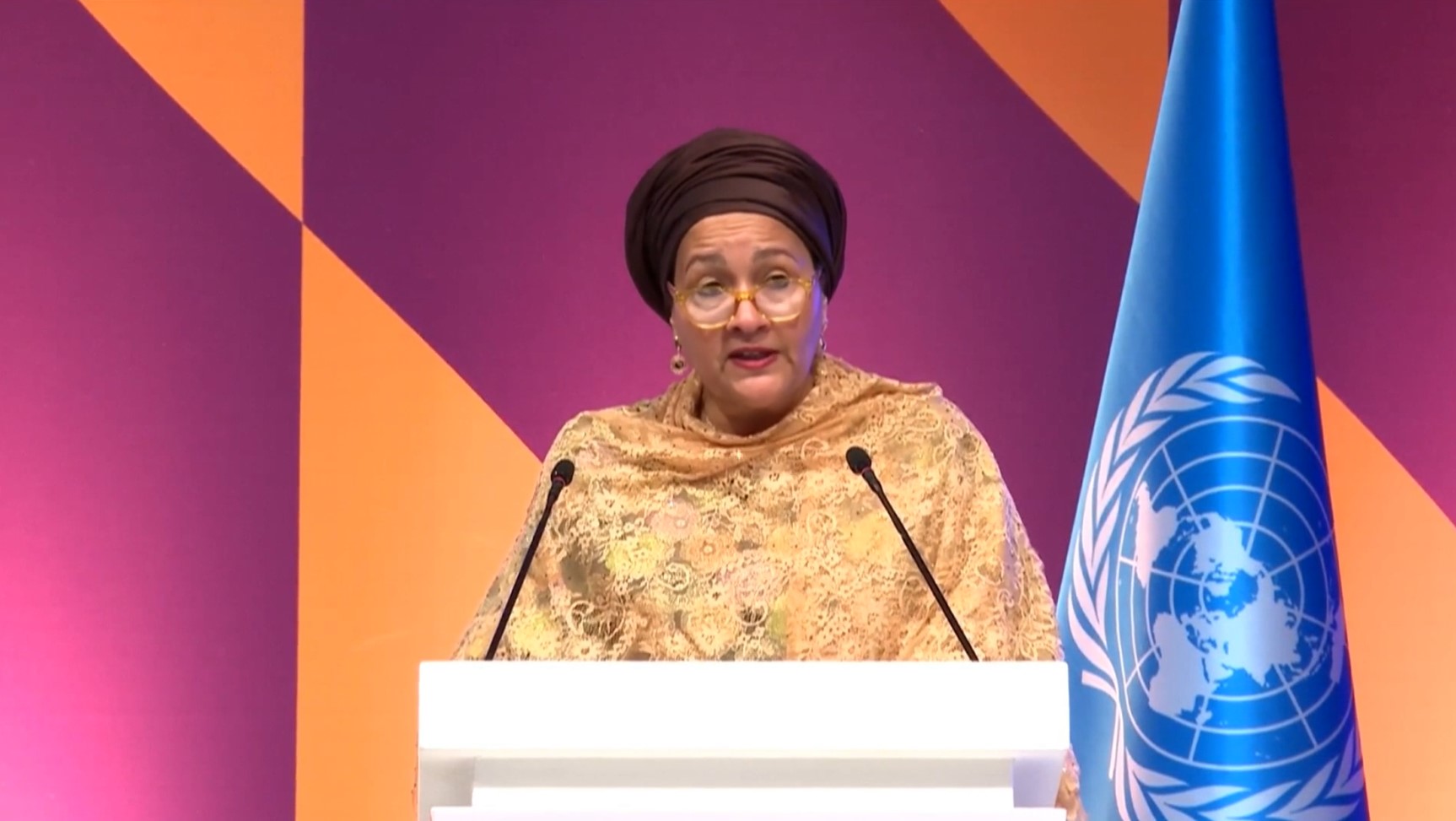
What truly needs to be watched is the P5, not the rankings
Therefore, after the second round of straw polling, Celebrity Media is not rushing to create a simple “leaderboard” for the eight candidates. Who currently ranks first certainly matters. But for this selection process, three questions are actually more important:
First, when will the positions of the five permanent members begin to become clear in the upcoming rounds of voting?
Second, is there anyone among the current frontrunners who can genuinely meet the standard of “sufficient support and no veto from any permanent member”?
Third, if none of the existing candidates can meet that standard, will another country nominate a new candidate?
If the first two questions remain unanswered for too long, the importance of the third will rise rapidly. This is why we are still looking beyond the current eight.
Celebrity Media’s assessment
Last November, Celebrity Media expressed the hope that, after more than 80 years of the United Nations, the organization could finally produce the first female Secretary-General in its history. Today, we continue to hold that expectation.
Judging from the current state of the race, that possibility is far from remote—several of the eight candidates are highly experienced female leaders with extensive backgrounds in international politics and the United Nations, and female candidates are currently leading in the second round of voting.
But our attention does not stop at the single label of “woman.” The next UN Secretary-General will ultimately have to confront a deeply divided international environment. A candidate who can truly prevail must possess leadership ability, international experience, political judgment, and the most difficult capability of all:
Getting major powers that sharply disagree with one another to at least agree not to veto her.
Is there already such a person among the current eight candidates? It is still too early to conclude. If the eventual answer is “yes,” the next Secretary-General will most likely come from today’s list. If the answer ultimately proves to be “no,” the international community will have to search again for someone capable of breaking the deadlock. At that point, figures outside the current field will become important.
Amina J. Mohammed is one of the names worth watching.
She is not currently a candidate. She has publicly denied any intention to run. She has even clearly stated that she hopes a woman from Latin America and the Caribbean will become Secretary-General. None of these facts should be ignored.
But it should likewise not be ignored that she has nearly a decade of experience at the highest levels of the United Nations, as well as multiple dimensions to her background: the developing world, the Global South, female leadership, and multilateralism.
So what Celebrity Media is raising today is not a conclusion, but a question: If none of the current eight candidates can ultimately cross the threshold imposed by the five permanent members, who will become the new consensus candidate? The answer may still not be Amina Mohammed.
Perhaps there will never be a ninth candidate at all. But in the selection of a UN Secretary-General—a process fundamentally determined by major-power coordination and political consensus—not being on the list today does not mean never entering the discussion.
This is precisely why looking “beyond the eight” is truly worth our attention. Celebrity Media will continue to follow the selection process for the next Secretary-General of the United Nations.